

Lesson Plans for Every Classroom
What are you looking for today?
World Cup Soccer: Players, Countries and Cultures
Every four years, the FIFA (Fédération Internationale de Football Association) World Cup excites and entertains young people and adults worldwide. The biggest global event in sports, the World Cup provides not only entertainment but also a great opening to learn about people around the world, the countries they represent, their stories and their culture. In this lesson, students will learn about the World Cup and its history, explore stories about players to reflect on countries and culture, and create their own World Cup album that includes player profiles, team badges, World Cup history and more.
Using Picture Books to Foster Belonging and Respect in the Classroom
The beginning of the school year can be exciting and positive for some children and for others, it can be scary or difficult. For all students, wanting to feel safe, included, and valued is universal. It is useful, especially at the beginning of the school year, to talk with students about what it means to feel respected, welcomed, accepted and supported in their classroom. This can also be discussed or revisited at other times during the school year when those concepts need to be reinforced or strengthened. In this lesson, students will explore what they need in order to make their classroom environment strong, positive and respectful for all by reading and discussing picture books that explore those themes.
Read, Learn, Celebrate: Jewish American Heritage Month
Jewish American Heritage Month (JAHM) is an annual celebration of Jewish history, people and culture that takes place every May. JAHM began as a weeklong celebration in 1980 when Congress passed a resolution that authorized the President to proclaim the week of April 21-28, 1980 as Jewish Heritage Week. In 2006, President George W. Bush proclaimed May as Jewish American Heritage Month. According to the American Jewish Committee, “Since 2007, Presidents Bush, Obama, Trump, and Biden have all issued proclamations for Jewish American Heritage Month, which celebrate Jewish Americans and encourage all Americans to learn more about Jewish heritage and contributions to the U.S.” In this lesson, students will learn about Jewish American Heritage Month and its historical context, read and discuss books about Jewish history, culture and achievements, and will consider ideas for celebrating JAHM in May and throughout the year.
Stories of Courage, Care, and Change
Women’s History Month, an annual celebration of the history, achievements and contributions of women, takes place every year in March. Women’s History Month began in 1978 as a local celebration in Santa Ana, California as “Women’s History Week; its organizers selected the week of March 8 to align with International Women’s Day. The idea spread across the country and then, in 1980, President Jimmy Carter issued the first Presidential Proclamation declaring the week of March 8 “Women’s History Week.” Seven years later in 1987, Congress passed a law designating March as “Women’s History Month” and some other countries also began to hold celebrations for Women’s History Month. In this lesson, students will learn about Women’s History Month and its historical context, read and discuss books about women’s history and consider ideas for honoring Women’s History in March and beyond.

Fry Bread and Family Heritage
In this lesson, students will explore the richness and diversity of Indigenous peoples through the award-winning picture book Fry Bread: A Native American Family Story by Kevin Noble Maillard. Through a read-aloud, guided discussion, and hands-on cultural exploration activity, students will learn how food can tell stories, preserve traditions, and connect generations.
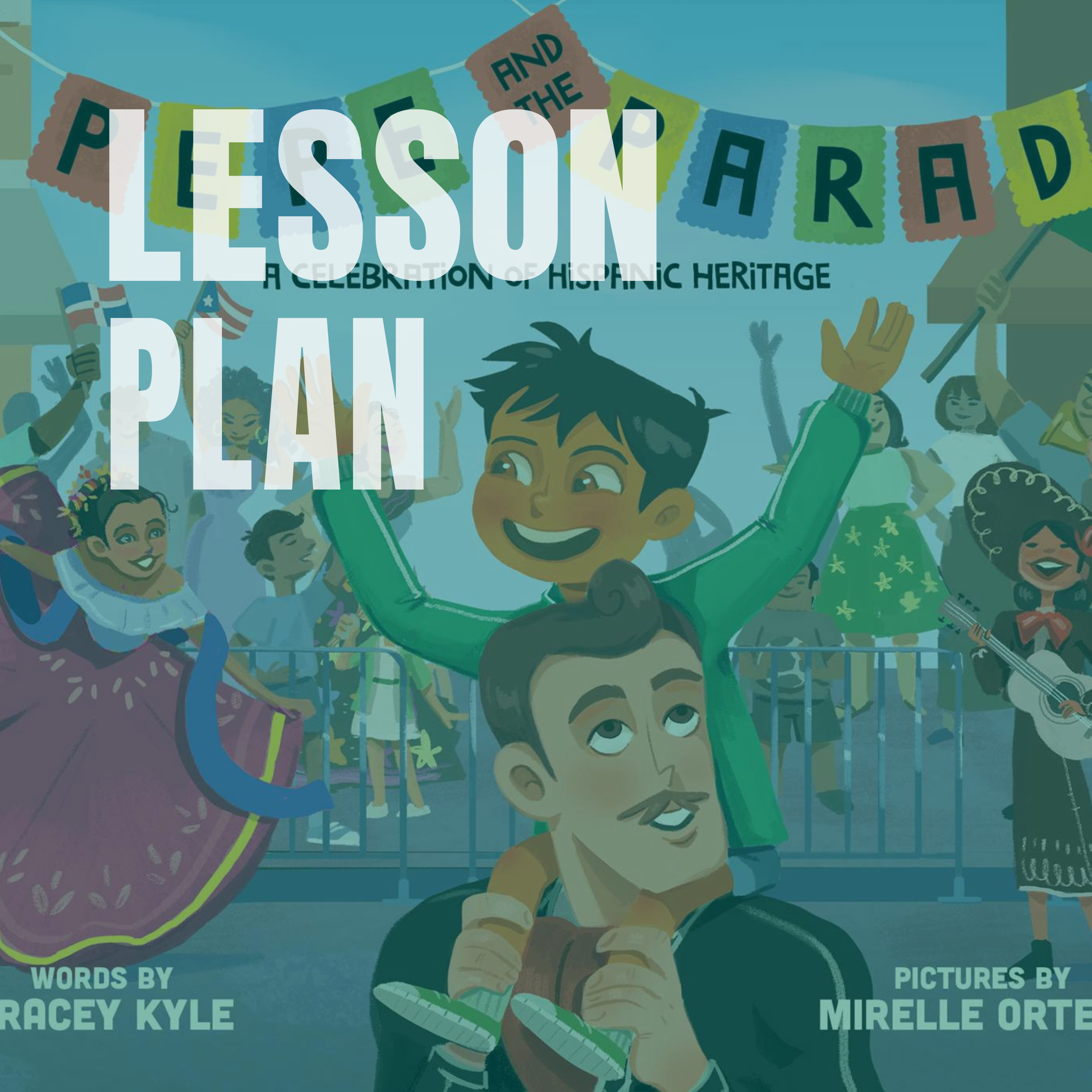
Parading with Pepe: A Peek into Hispanic Pride
This lesson uses the picture book Pepe and the Parade to help young learners explore Hispanic Heritage Month. Through read-aloud, discussion, and creative expression, students will discover traditions, reflect on identity, and celebrate culture.

Freedom, Facts, and the Fight for Fairness: Understanding Juneteenth through Literature
This lesson introduces elementary students to the meaning and importance of Juneteenth using the picture book Juneteenth for Mazie by Floyd Cooper. Through read-aloud, discussion, and creative activities, students will explore the themes of freedom, justice, remembrance, and celebration.
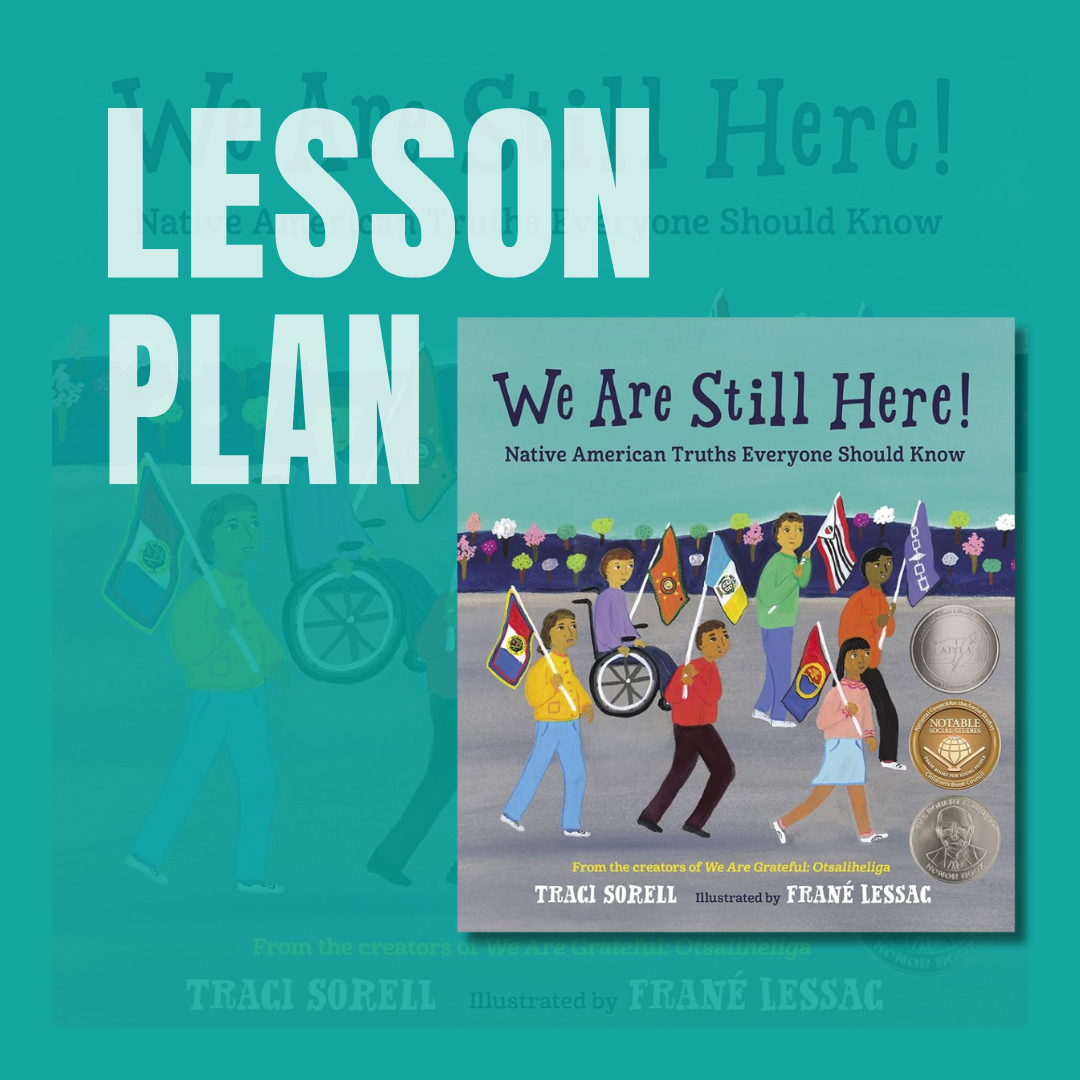
Indigenous Peoples’ Day
Indigenous Peoples’ Day was first proposed by Indigenous people at a 1977 United Nations conference. Their goal in proposing this day was to prevent bias and discrimination against Indigenous people and also to counter the inaccurate story that Christopher Columbus “discovered” the Americas. Many states, by law and proclamation, officially celebrate Indigenous Peoples’ Day. And yet, many people don’t know much about the history, cultures, heritages and traditions of Indigenous peoples. This lesson plan provides an opportunity for students to learn what Indigenous Peoples’ Day is, understand the holiday’s history and explore various aspects of Indigenous people.

Supporting People with Disabilities
Every day in schools and classrooms, children with disabilities are excluded, teased, bullied and are targets of prejudice. Children with disabilities are two to three times more likely to be bullied than their peers who do not have a disability. When exclusion, teasing or bullying happens, other children may want to help, but they are not sure how or may be afraid to do so. This lesson provides an opportunity for students to learn about people with disabilities, the exclusion and prejudice they face and how to act as an ally when they see harmful language and behavior.