

Lesson Plans for Every Classroom
What are you looking for today?

Fry Bread and Family Heritage
In this lesson, students will explore the richness and diversity of Indigenous peoples through the award-winning picture book Fry Bread: A Native American Family Story by Kevin Noble Maillard. Through a read-aloud, guided discussion, and hands-on cultural exploration activity, students will learn how food can tell stories, preserve traditions, and connect generations.

Mascots, Meaning, and Misrepresentation
In this lesson, students will explore identity, cultural respect, and representation by reading excerpts from Mascot, a novel-in-verse by Charles Waters and Traci Sorell. This story follows a group of middle school students as they confront the controversy over their school’s Native-themed mascot. Students will engage in a discussion about symbols, allyship, and how to advocate for respectful representation of Native/Indigenous communities.

Buried Stories
This lesson introduces students to the history of Native American boarding schools in the United States to build essential background knowledge before reading Two Roads by Joseph Bruchac. Students will examine the government's motives for assimilation policies, how Indigenous children were taken or sent to these schools, and the long-term effects on Indigenous communities and identity.
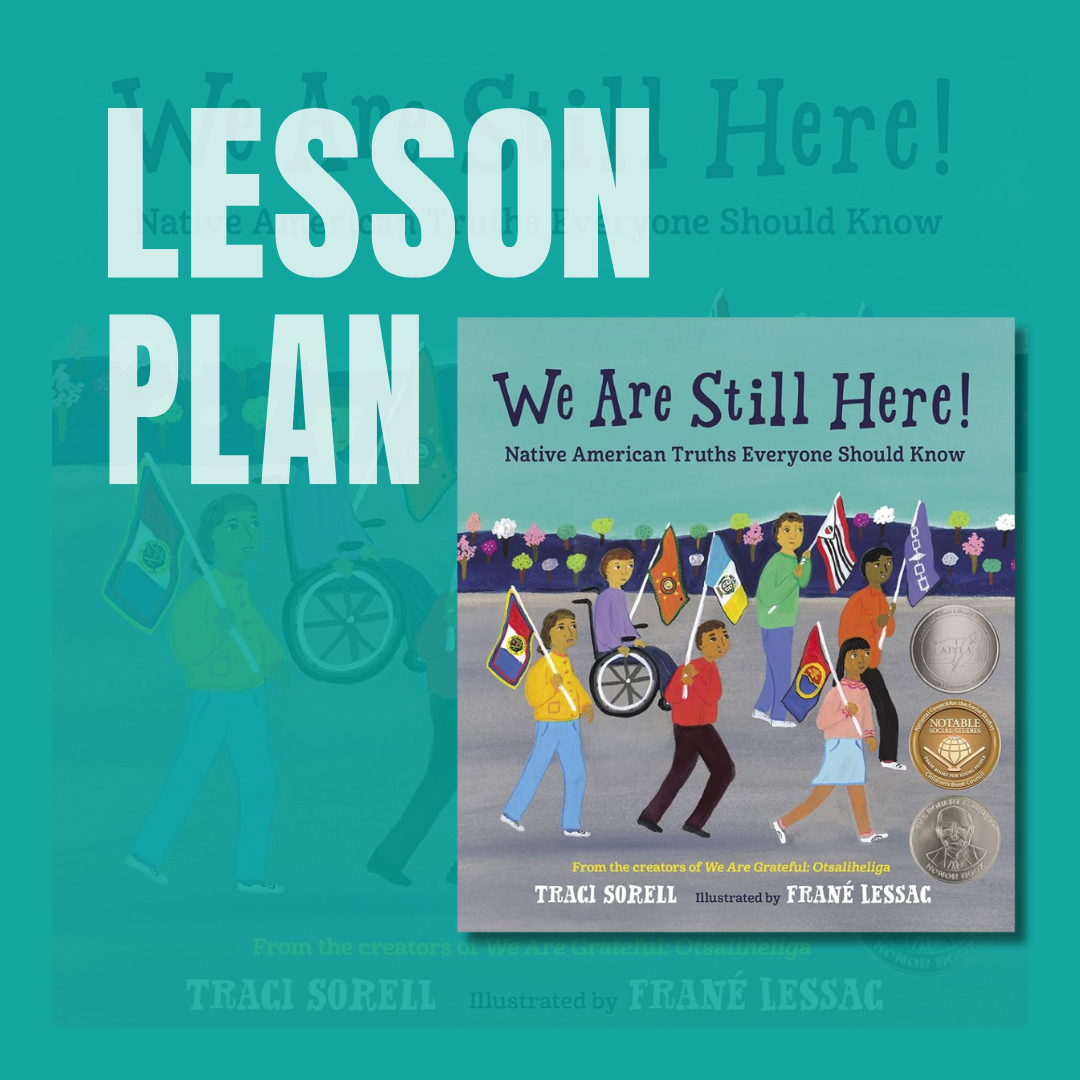
Indigenous Peoples’ Day
Indigenous Peoples’ Day was first proposed by Indigenous people at a 1977 United Nations conference. Their goal in proposing this day was to prevent bias and discrimination against Indigenous people and also to counter the inaccurate story that Christopher Columbus “discovered” the Americas. Many states, by law and proclamation, officially celebrate Indigenous Peoples’ Day. And yet, many people don’t know much about the history, cultures, heritages and traditions of Indigenous peoples. This lesson plan provides an opportunity for students to learn what Indigenous Peoples’ Day is, understand the holiday’s history and explore various aspects of Indigenous people.