

Lesson Plans for Every Classroom
What are you looking for today?

Voices of Heritage: Exploring Identity Through Poetry and Prose
This lesson uses the book Yes! We Are Latinos, a powerful collection of poems and prose, to explore the richness and diversity of the Latino experience in the United States. Students will examine stories of identity, heritage, struggle, and pride as shared by fictionalized Latino characters representing various cultural backgrounds. As part of Hispanic Heritage Month, this lesson helps students develop a deeper understanding of how culture shapes identity and encourages them to reflect on their own voices and experiences. Students will create personal identity poems or artistic responses inspired by the voices in the text.
Borders, Belonging, and Brave Voices
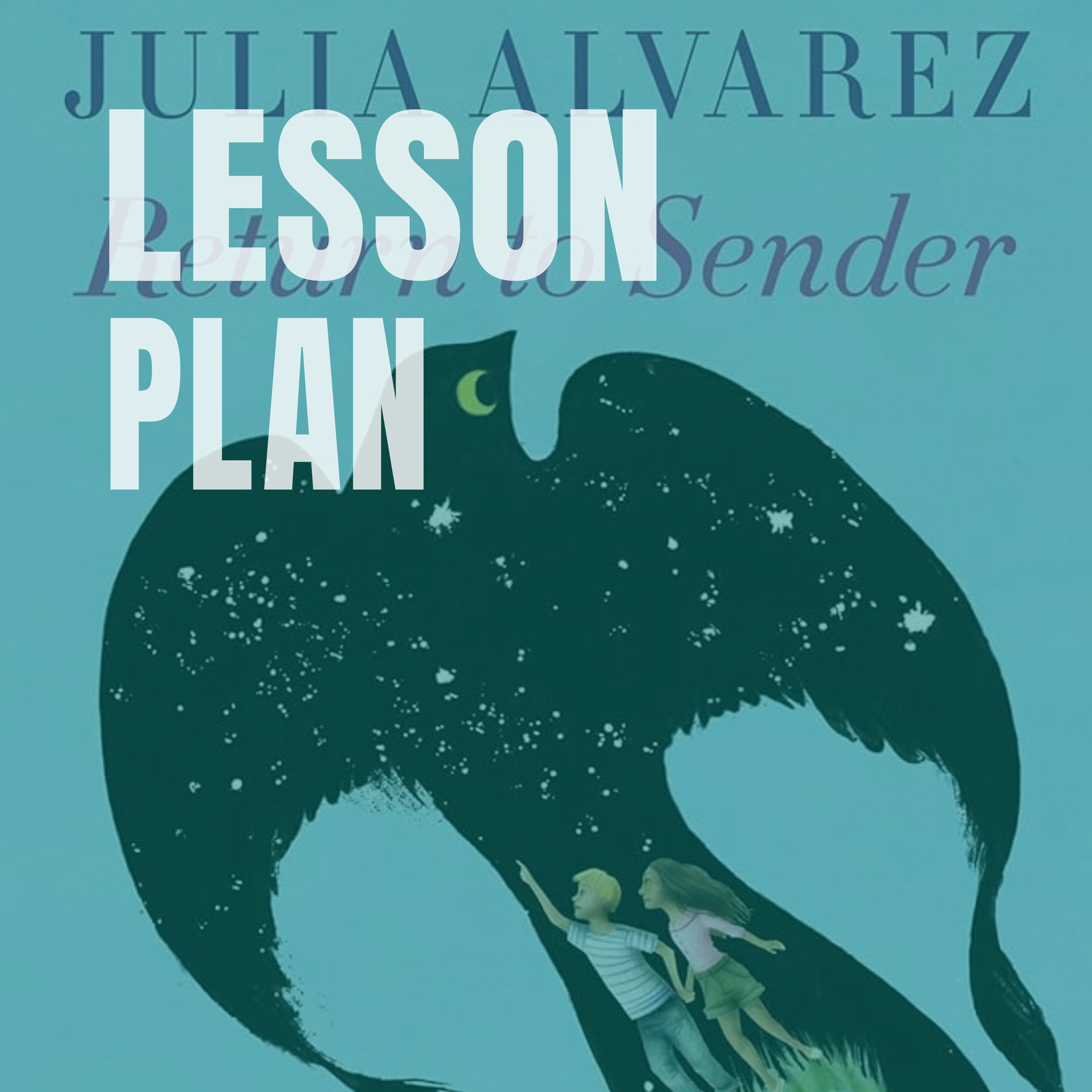
In this lesson, students will either read some excerpts from Return to Sender by Julia Alvarez or the entire book, to examine the complexities of immigration, family separation, cultural identity, and friendship. Students will participate in thoughtful discussion, reflect on personal values and cultural backgrounds, and write a creative letter from the perspective of one of the characters.
Parading with Pepe: A Peek into Hispanic Pride
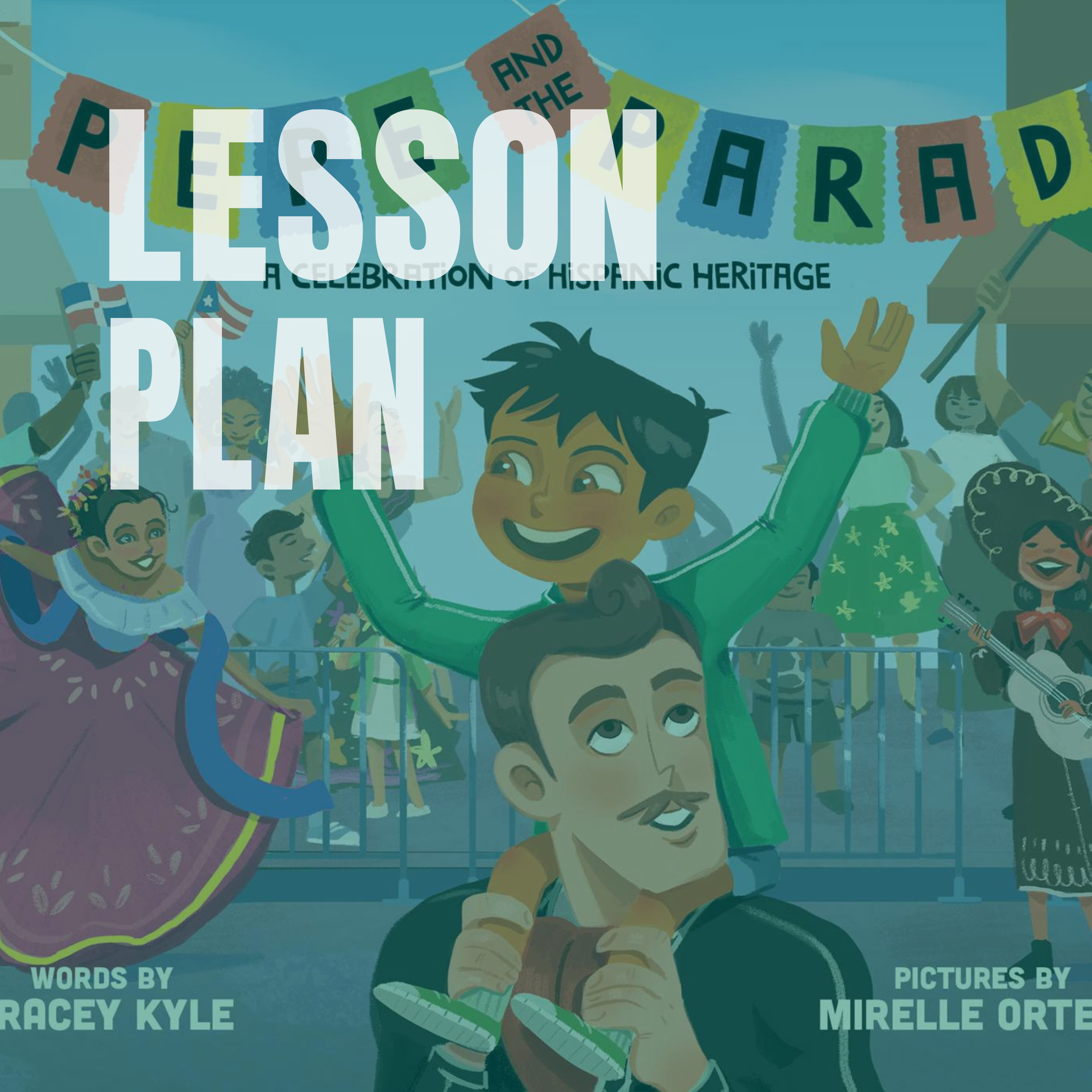
This lesson uses the picture book Pepe and the Parade to help young learners explore Hispanic Heritage Month. Through read-aloud, discussion, and creative expression, students will discover traditions, reflect on identity, and celebrate culture.

Latinx and Complex
This lesson explores the origins and meanings of the terms Hispanic, Latino/a, Latinx, and Afro-Latino/a/x to critically understand the diversity within the Latino community. Research shows that about 68% of Latinos in the U.S. identify as Hispanic, while a significant portion prefers the term Latino/a or LatinX, reflecting personal and cultural preferences (Pew Research Center, 2020). Generational perspectives significantly influence how these identities are perceived. Among immigrant Latinos, 65% identify with their country of origin, but this drops to 36% for second-generation Latinos and just 26% for those in the third generation or higher, who are more likely to identify as "American" (Pew Research Center). This lesson will broaden students’ understanding of the relationship between identity and language and foster a deeper appreciation for the nuances within the Latino community.