

Lesson Plans for Every Classroom
What are you looking for today?

Read, Learn, Celebrate: Jewish American Heritage Month
Jewish American Heritage Month (JAHM) is an annual celebration of Jewish history, people and culture that takes place every May. JAHM began as a weeklong celebration in 1980 when Congress passed a resolution that authorized the President to proclaim the week of April 21-28, 1980 as Jewish Heritage Week. In 2006, President George W. Bush proclaimed May as Jewish American Heritage Month. According to the American Jewish Committee, “Since 2007, Presidents Bush, Obama, Trump, and Biden have all issued proclamations for Jewish American Heritage Month, which celebrate Jewish Americans and encourage all Americans to learn more about Jewish heritage and contributions to the U.S.” In this lesson, students will learn about Jewish American Heritage Month and its historical context, read and discuss books about Jewish history, culture and achievements, and will consider ideas for celebrating JAHM in May and throughout the year.

Exploring Asian American and Pacific Islander Heritage Month
May is Asian American and Pacific Islander Heritage Month (AAPIHM), also sometimes referred to as Asian American, Native Hawaiian, and Pacific Islander Heritage Month. AAPIHM is a month-long commemoration of the history, culture, contributions and achievements of people who are Asian American, Native Hawaiian and Pacific Islander. This month was first acknowledged in 1979 when President Jimmy Carter declared a celebration of Asian Pacific American Heritage Week. In 1990 under President George H.W. Bush, Congress passed a law that made the commemoration the full month of May. This lesson provides an opportunity for students to learn about the origins of AAPIHM, explore demographics about the AAPI community, and consider ways that AAPIHM should be commemorated in schools and communities.

Exploring National Arab American Heritage Month
April is National Arab American Heritage Month (NAAHM). NAAHM is a month-long commemoration of the history, culture, contributions and achievements of Arab American people. Although celebrated by some states for years, the commemorative month was officially initiated in 2017 by two organizations, Arab America and the Arab America Foundation. In 2022, Congress, the U.S. The Department of State, and 45 state Governors issued proclamations commemorating the initiative. In 2023, President Joe Biden issued, for the first time, a proclamation that designated the annual commemoration of National Arab American Heritage Month. This lesson provides an opportunity for students to learn about the origins of NAAHM, gain knowledge about the Arab American community and consider ways that NAAHM should be commemorated in schools and communities.

Beyond the Buzzwords: The Realities of DEI Implementation and Backlash
The origins of DEI (diversity, equity and inclusion) programs date back to the Civil Rights Movement of the 1950s and 1960s, which increased efforts to create more diverse and inclusive workplaces. The Civil Rights Act of 1964 made employment discrimination based on race, religion, sex, color and national origin illegal. Over the next six decades, these programs and practices continue to grow and evolve to other developments and efforts. In the wake of Black Lives Matter and other social justice movements in the 2020s, the two Trump administrations have sought to eliminate DEI efforts and programs. This lesson provides an opportunity for students to explore the origins and history of DEI, understand the backlash against DEI principles and practices and express their perspective about DEI through an art or writing activity.

Latinx and Complex
This lesson explores the origins and meanings of the terms Hispanic, Latino/a, Latinx, and Afro-Latino/a/x to critically understand the diversity within the Latino community. Research shows that about 68% of Latinos in the U.S. identify as Hispanic, while a significant portion prefers the term Latino/a or LatinX, reflecting personal and cultural preferences (Pew Research Center, 2020). Generational perspectives significantly influence how these identities are perceived. Among immigrant Latinos, 65% identify with their country of origin, but this drops to 36% for second-generation Latinos and just 26% for those in the third generation or higher, who are more likely to identify as "American" (Pew Research Center). This lesson will broaden students’ understanding of the relationship between identity and language and foster a deeper appreciation for the nuances within the Latino community.
Indigenous Peoples’ Day
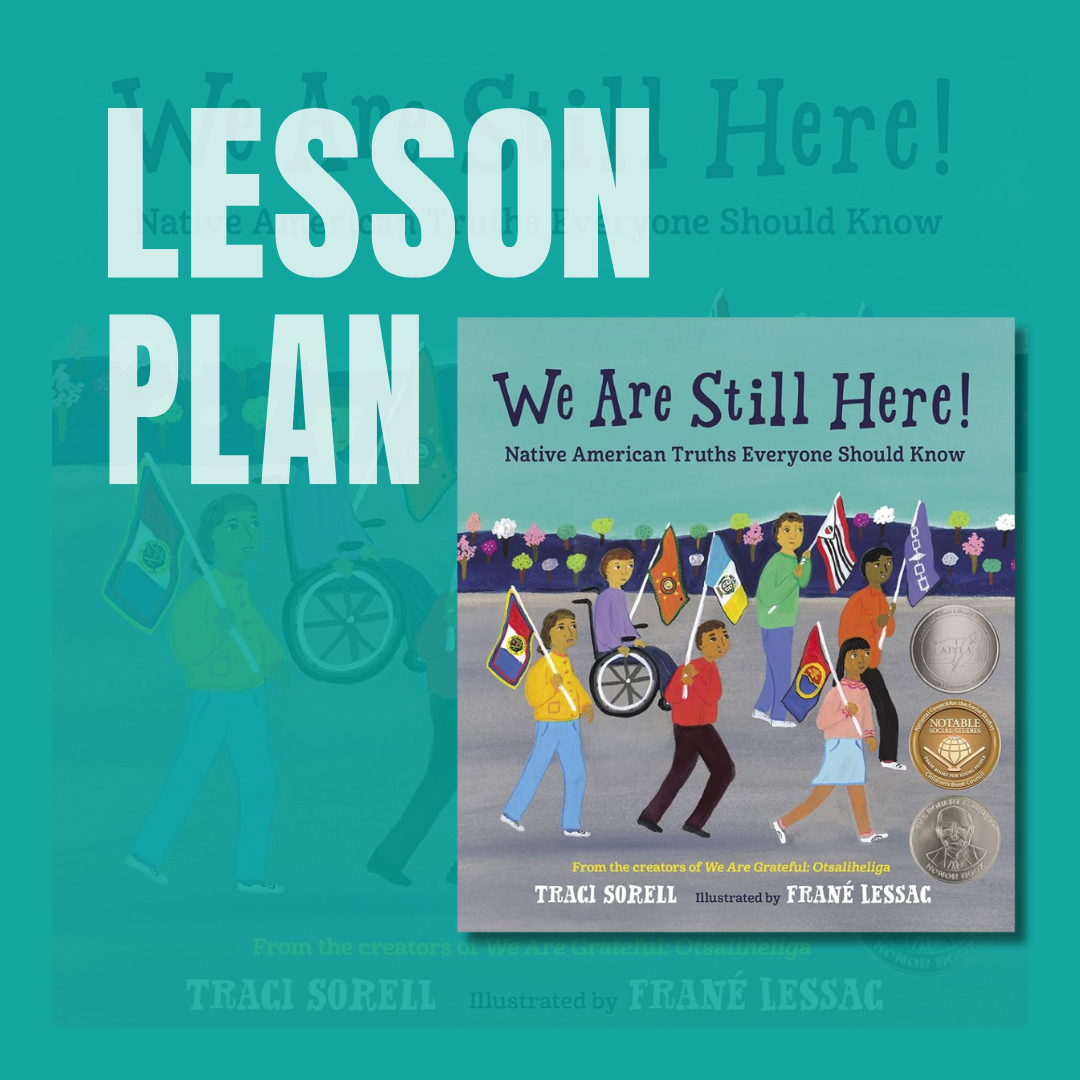
Indigenous Peoples’ Day was first proposed by Indigenous people at a 1977 United Nations conference. Their goal in proposing this day was to prevent bias and discrimination against Indigenous people and also to counter the inaccurate story that Christopher Columbus “discovered” the Americas. Many states, by law and proclamation, officially celebrate Indigenous Peoples’ Day. And yet, many people don’t know much about the history, cultures, heritages and traditions of Indigenous peoples. This lesson plan provides an opportunity for students to learn what Indigenous Peoples’ Day is, understand the holiday’s history and explore various aspects of Indigenous people.

What is LGBTQIA+ History Month?
LGBTQ+ History Month is commemorated every year in October and was created in 1994 by Rodney Wilson, a gay high school history teacher in Missouri. Wilson believed that a month should be dedicated to the celebration of gay and lesbian history. October was chosen to coincide with other existing traditions in October, such as Coming Out Day on October 11 and the first March on Washington for Lesbian and Gay Rights on October 14, 1979. This lesson provides an opportunity for students to learn more about LGBTQ+ History Month and its origins, reflect on aspects of LGBTQ+ history to explore and identify one aspect of LGBTQ+ history to research in more depth.

Celebrating and Commemorating Hispanic Heritage Month
National Hispanic Heritage Month is a month-long celebration in the U.S. that honors the history, contributions and achievements of Hispanic American people. It takes place every year from September 15-October 15. Schools, communities and people celebrate National Hispanic Heritage (NHHM) in a variety of ways.This lesson provides an opportunity for students to learn more about National Hispanic Heritage Month, explore why we honor commemorative months about specific identity groups and communities, analyzes the language used to describe the Hispanic/Latino community and considers different ideas about how to commemorate the month and beyond.