

Lesson Plans for Every Classroom
What are you looking for today?
- Afro-Latinx
- Antisemitism
- Black Identity
- Bullying
- Celebration
- Civic Engagement
- Classism
- Congressional Maps
- Constitutional Rights
- Culture
- DEI
- Disability and Ableism
- Diversity
- Diversity and Inclusion
- Elementary School
- Equal Rights
- Equality
- Free Speech
- Gender
- Gerrymandering
- High School
- Identity
- Immigration
- Indigenous
- Jewish Identity
- LGBTQ+
- LGBTQIA+
- Latinx
- Mental Health
- Middle School
- Native American
- Pride
- Race and Racism
- Redistricting
- SWANA (Southwest Asia North Africa) Identity
- Sexism
- Social Media
- Supreme Court
- Voting Rights
- Women and Girls
Spotlight on Social Media: Meta Lawsuit & Its Impact on Young People
In August 2026, Meta, the company that owns social media platforms including Facebook, Instagram, and WhatsApp, settled a lawsuit brought by 29 U.S. states. The states accused Meta of designing their apps to be addictive to young people, knowing about the risks to them, but hiding that information from the public. Meta settled out of court, paying up to $17 billion in penalties to the states and agreeing to make changes to their social media platforms. The changes are designed to help protect teens from the mental health harms associated with social media use. In this lesson, students will learn about the Meta lawsuit, explore the connection between social media and mental health, and reflect on the new social media guidelines.
Bullying: What is It and What Can We Do About It?
Across the country, bullying takes place in schools every day. Among elementary-age children, about 1 in 4 students in the U.S. reports being bullied. It is important to understand what bullying is and is not. Bullying is not only mean behavior, but repeated mean behavior done on purpose, and where a power imbalance usually exists. Talking about bullying with students can happen at the beginning of the school year, in October during National Bullying Prevention Month, or anytime throughout the school year. In this lesson plan, students will define bullying, learn about the different types of bullying and reflect on bullying scenarios and what can be done in those situations.
World Cup Soccer: Players, Countries and Cultures
Every four years, the FIFA (Fédération Internationale de Football Association) World Cup excites and entertains young people and adults worldwide. The biggest global event in sports, the World Cup provides not only entertainment but also a great opening to learn about people around the world, the countries they represent, their stories and their culture. In this lesson, students will learn about the World Cup and its history, explore stories about players to reflect on countries and culture, and create their own World Cup album that includes player profiles, team badges, World Cup history and more.

Celebrating and Commemorating Hispanic Heritage Month
National Hispanic Heritage Month is a month-long celebration in the U.S. that honors the history, contributions and achievements of Hispanic American people. It takes place every year from September 15-October 15. Schools, communities and people celebrate National Hispanic Heritage (NHHM) in a variety of ways.This lesson provides an opportunity for students to learn more about National Hispanic Heritage Month, explore why we honor commemorative months about specific identity groups and communities, analyzes the language used to describe the Hispanic/Latino community and considers different ideas about how to commemorate the month and beyond.

Voices of Heritage: Exploring Identity Through Poetry and Prose
This lesson uses the book Yes! We Are Latinos, a powerful collection of poems and prose, to explore the richness and diversity of the Latino experience in the United States. Students will examine stories of identity, heritage, struggle, and pride as shared by fictionalized Latino characters representing various cultural backgrounds. As part of Hispanic Heritage Month, this lesson helps students develop a deeper understanding of how culture shapes identity and encourages them to reflect on their own voices and experiences. Students will create personal identity poems or artistic responses inspired by the voices in the text.
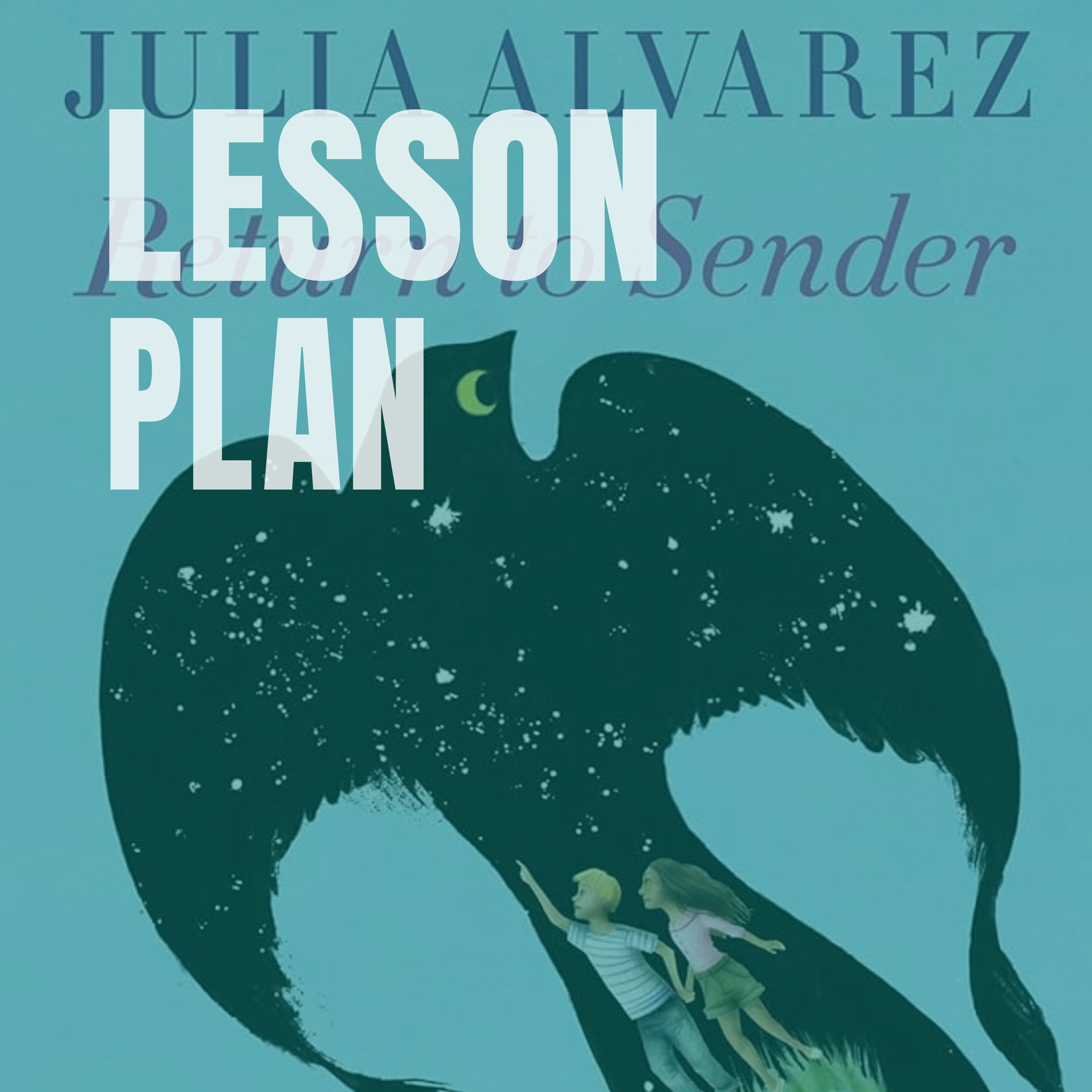
Borders, Belonging, and Brave Voices
In this lesson, students will either read some excerpts from Return to Sender by Julia Alvarez or the entire book, to examine the complexities of immigration, family separation, cultural identity, and friendship. Students will participate in thoughtful discussion, reflect on personal values and cultural backgrounds, and write a creative letter from the perspective of one of the characters.
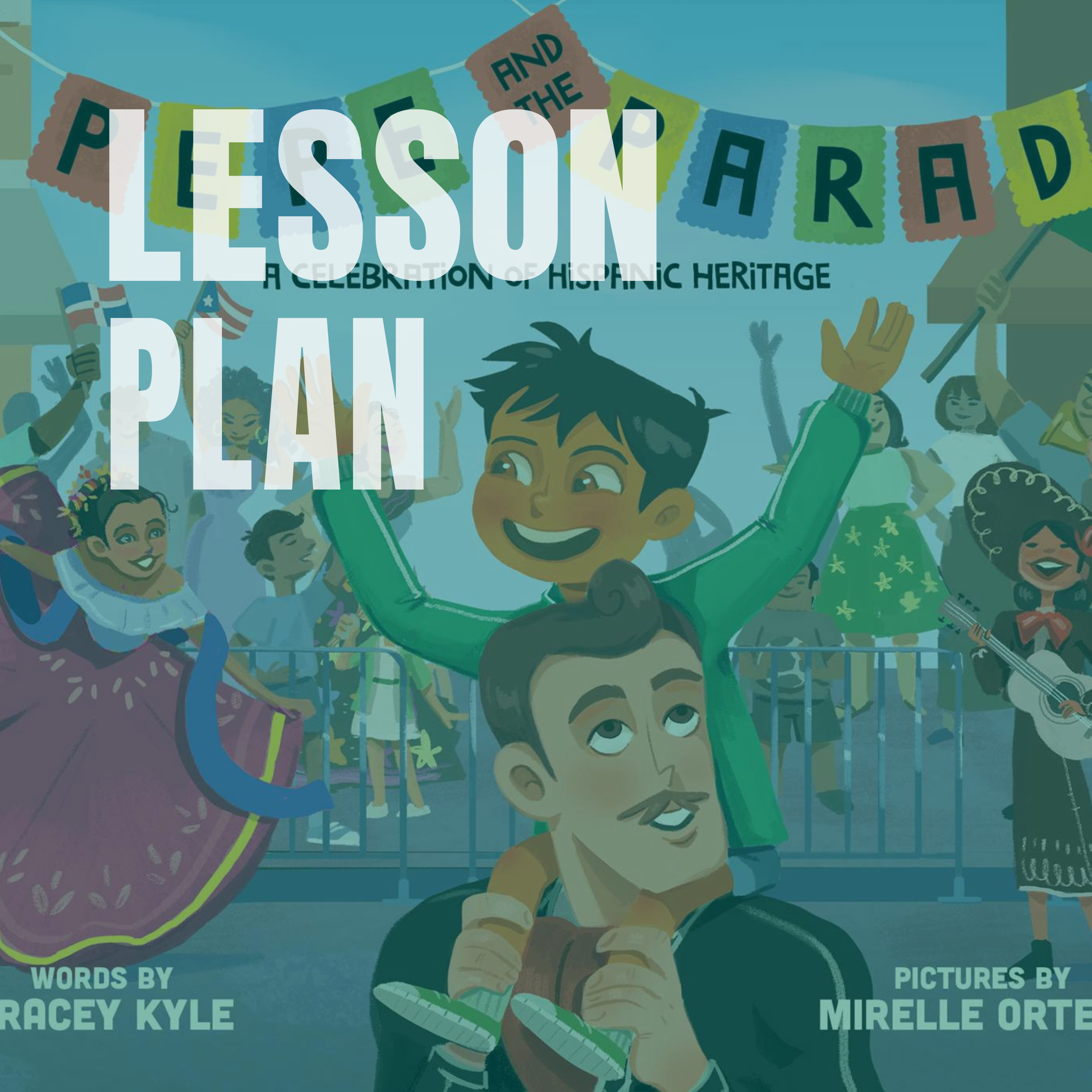
Parading with Pepe: A Peek into Hispanic Pride
This lesson uses the picture book Pepe and the Parade to help young learners explore Hispanic Heritage Month. Through read-aloud, discussion, and creative expression, students will discover traditions, reflect on identity, and celebrate culture.
Using Picture Books to Foster Belonging and Respect in the Classroom
The beginning of the school year can be exciting and positive for some children and for others, it can be scary or difficult. For all students, wanting to feel safe, included, and valued is universal. It is useful, especially at the beginning of the school year, to talk with students about what it means to feel respected, welcomed, accepted and supported in their classroom. This can also be discussed or revisited at other times during the school year when those concepts need to be reinforced or strengthened. In this lesson, students will explore what they need in order to make their classroom environment strong, positive and respectful for all by reading and discussing picture books that explore those themes.
Congressional Maps, Redistricting and Gerrymandering: What Does it All Mean?
Redistricting congressional maps and gerrymandering have been in the news a lot lately. What are congressional maps, and how does redistricting, when done for political purposes, lead to gerrymandering? While redistricting is a normal process for how voting maps are drawn, racial gerrymandering is often used as a political tool to change or manipulate election outcomes and to give an unfair advantage to a political party. In this lesson, students will learn about congressional maps, redistricting, and gerrymandering, explore the impact of gerrymandering on voters and elections, and analyze news headlines about recent gerrymandering efforts.