

Lesson Plans for Every Classroom
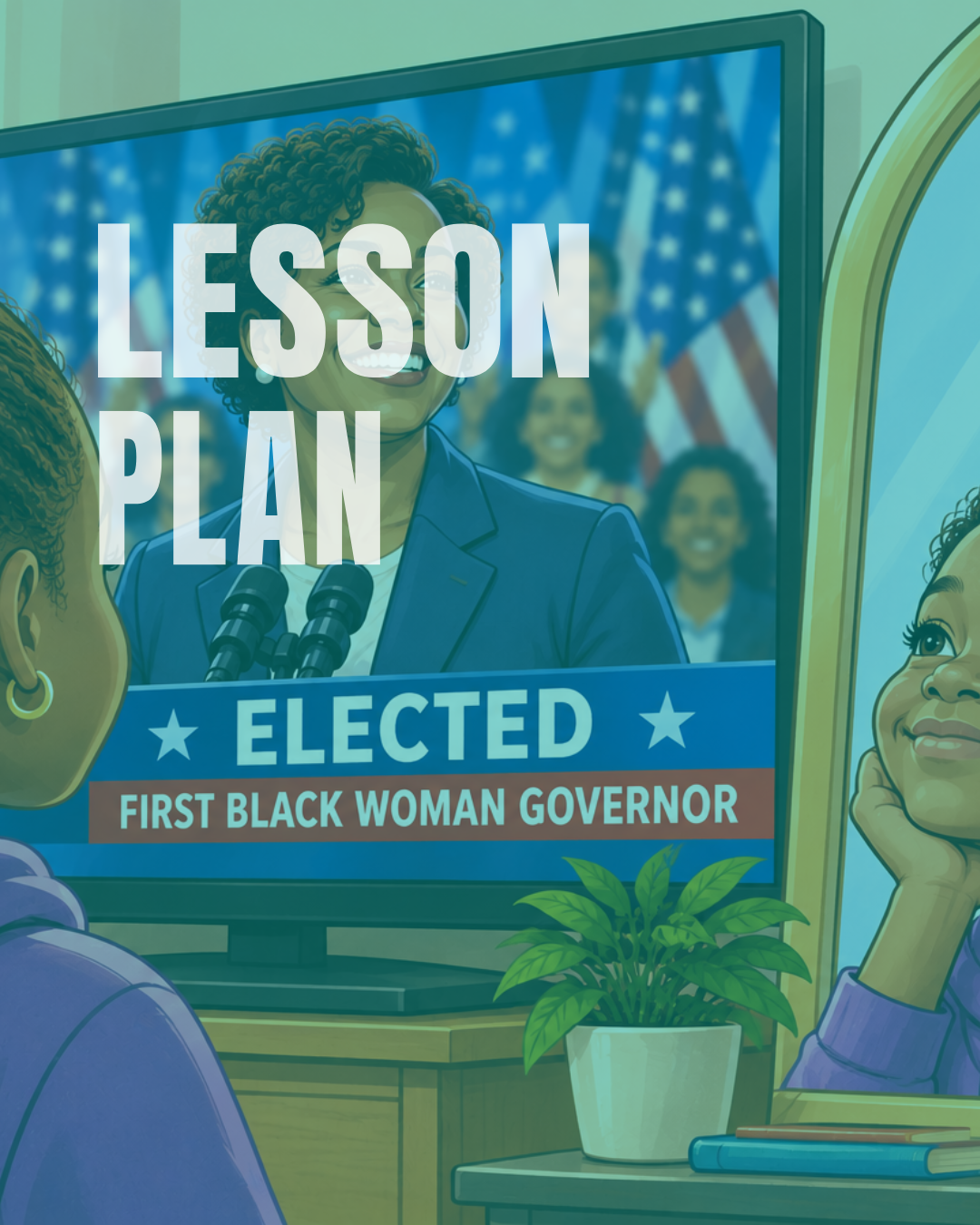
Who Speaks for Us? Why Representation Matters
In the U.S. 2026 midterm elections, there were many “historical firsts.” Keisha Lance Bottoms became the first Black woman Governor in U.S.history. Abdul El-Sayed is now the first Muslim Senator in the U.S. Chris Pappas became the first openly gay man in the Senate. There are many others. These historical firsts are important and meaningful because the people we elect to represent us should not only represent our views, opinions and policy positions. They should also be representative of the diversity of our country. In this lesson, students will explore the concept of “representation,” learn about some of the historical firsts elected during the 2026 midterm elections, and research one of those elected officials in depth.

Bystander to Action
When young people are targeted by bias or bullying–whether it’s at school, in social situations, or online–there are often bystanders. There may be one bystander, a few, or many bystanders. Among other reasons, oftentimes the “bystander effect” takes hold and no one says or does anything when witnessing bias or bullying. In this lesson, students will learn about the bystander effect, reflect on their own experiences with bystanding, and examine bystander scenarios in order to explore possible actions.

Unseen Challenges: Raising Awareness of Invisible Disabilities
People with invisible disabilities face specific challenges that are often overlooked when analyzing the bias that people with disabilities experience. They may encounter misunderstanding, judgment and stigma. They may not be believed or feel they have to justify their disability. They also may not get the proper diagnosis of their condition or the accommodations they need. This lesson provides an opportunity for students to learn more about invisible disabilities, reflect on the bias and other challenges people face and analyze school-based scenarios that involve students with invisible disabilities.

National Hispanic Heritage Month: People Making a Difference Today
National Hispanic Heritage Month is a month-long celebration in the U.S. that honors the history, contributions and achievements of Hispanic/Latine American people. It takes place every year from September 15-October 15. There are many different ways to honor National Hispanic Heritage Month. One way is to focus on contemporary Hispanic/Latine people who are making a difference and impacting our society. In this lesson, students will learn more about National Hispanic Heritage Month, explore what it means to be notable, and gain knowledge about contemporary Hispanic/Latine people who are making a difference today.

Spotlight on Social Media: Meta Lawsuit & Its Impact on Young People
In August 2026, Meta, the company that owns social media platforms including Facebook, Instagram, and WhatsApp, settled a lawsuit brought by 29 U.S. states. The states accused Meta of designing their apps to be addictive to young people, knowing about the risks to them, but hiding that information from the public. Meta settled out of court, paying up to $17 billion in penalties to the states and agreeing to make changes to their social media platforms. The changes are designed to help protect teens from the mental health harms associated with social media use. In this lesson, students will learn about the Meta lawsuit, explore the connection between social media and mental health, and reflect on the new social media guidelines.

Celebrating and Commemorating Hispanic Heritage Month
National Hispanic Heritage Month is a month-long celebration in the U.S. that honors the history, contributions and achievements of Hispanic American people. It takes place every year from September 15-October 15. Schools, communities and people celebrate National Hispanic Heritage (NHHM) in a variety of ways.This lesson provides an opportunity for students to learn more about National Hispanic Heritage Month, explore why we honor commemorative months about specific identity groups and communities, analyzes the language used to describe the Hispanic/Latino community and considers different ideas about how to commemorate the month and beyond.

Voices of Heritage: Exploring Identity Through Poetry and Prose
This lesson uses the book Yes! We Are Latinos, a powerful collection of poems and prose, to explore the richness and diversity of the Latino experience in the United States. Students will examine stories of identity, heritage, struggle, and pride as shared by fictionalized Latino characters representing various cultural backgrounds. As part of Hispanic Heritage Month, this lesson helps students develop a deeper understanding of how culture shapes identity and encourages them to reflect on their own voices and experiences. Students will create personal identity poems or artistic responses inspired by the voices in the text.

Congressional Maps, Redistricting and Gerrymandering: What Does it All Mean?
Redistricting congressional maps and gerrymandering have been in the news a lot lately. What are congressional maps, and how does redistricting, when done for political purposes, lead to gerrymandering? While redistricting is a normal process for how voting maps are drawn, racial gerrymandering is often used as a political tool to change or manipulate election outcomes and to give an unfair advantage to a political party. In this lesson, students will learn about congressional maps, redistricting, and gerrymandering, explore the impact of gerrymandering on voters and elections, and analyze news headlines about recent gerrymandering efforts.

The Meaning of Pride: LGBTQIA+ History, Identity and Visibility
June is LGBTQIA+ Pride Month, which celebrates the history, achievements, contributions and struggles of the LGBTQIA+ (lesbian, gay, bisexual, transgender, queer, intersex and asexual) community. Pride Month is celebrated in June to align with the Stonewall Inn uprising, which took place in June 1969 in NYC, and the following year was commemorated with a march called the “Christopher Street Liberation March.” In 1999, President Bill Clinton issued the first official Presidential proclamation of June as "Gay and Lesbian Pride Month,” and in 2011, President Barack Obama expanded the designation to "Lesbian, Gay, Bisexual, and Transgender Pride Month.” This lesson provides an opportunity for students to learn about the origins of Pride Month, examine the meaning of “pride,” especially as it relates to marginalized communities, and consider ways that Pride Month can be commemorated in schools and communities.