

Lesson Plans for Every Classroom

World Cup Soccer: Players, Countries and Cultures
Every four years, the FIFA (Fédération Internationale de Football Association) World Cup excites and entertains young people and adults worldwide. The biggest global event in sports, the World Cup provides not only entertainment but also a great opening to learn about people around the world, the countries they represent, their stories and their culture. In this lesson, students will learn about the World Cup and its history, explore stories about players to reflect on countries and culture, and create their own World Cup album that includes player profiles, team badges, World Cup history and more.

Celebrating and Commemorating Hispanic Heritage Month
National Hispanic Heritage Month is a month-long celebration in the U.S. that honors the history, contributions and achievements of Hispanic American people. It takes place every year from September 15-October 15. Schools, communities and people celebrate National Hispanic Heritage (NHHM) in a variety of ways.This lesson provides an opportunity for students to learn more about National Hispanic Heritage Month, explore why we honor commemorative months about specific identity groups and communities, analyzes the language used to describe the Hispanic/Latino community and considers different ideas about how to commemorate the month and beyond.

Voices of Heritage: Exploring Identity Through Poetry and Prose
This lesson uses the book Yes! We Are Latinos, a powerful collection of poems and prose, to explore the richness and diversity of the Latino experience in the United States. Students will examine stories of identity, heritage, struggle, and pride as shared by fictionalized Latino characters representing various cultural backgrounds. As part of Hispanic Heritage Month, this lesson helps students develop a deeper understanding of how culture shapes identity and encourages them to reflect on their own voices and experiences. Students will create personal identity poems or artistic responses inspired by the voices in the text.
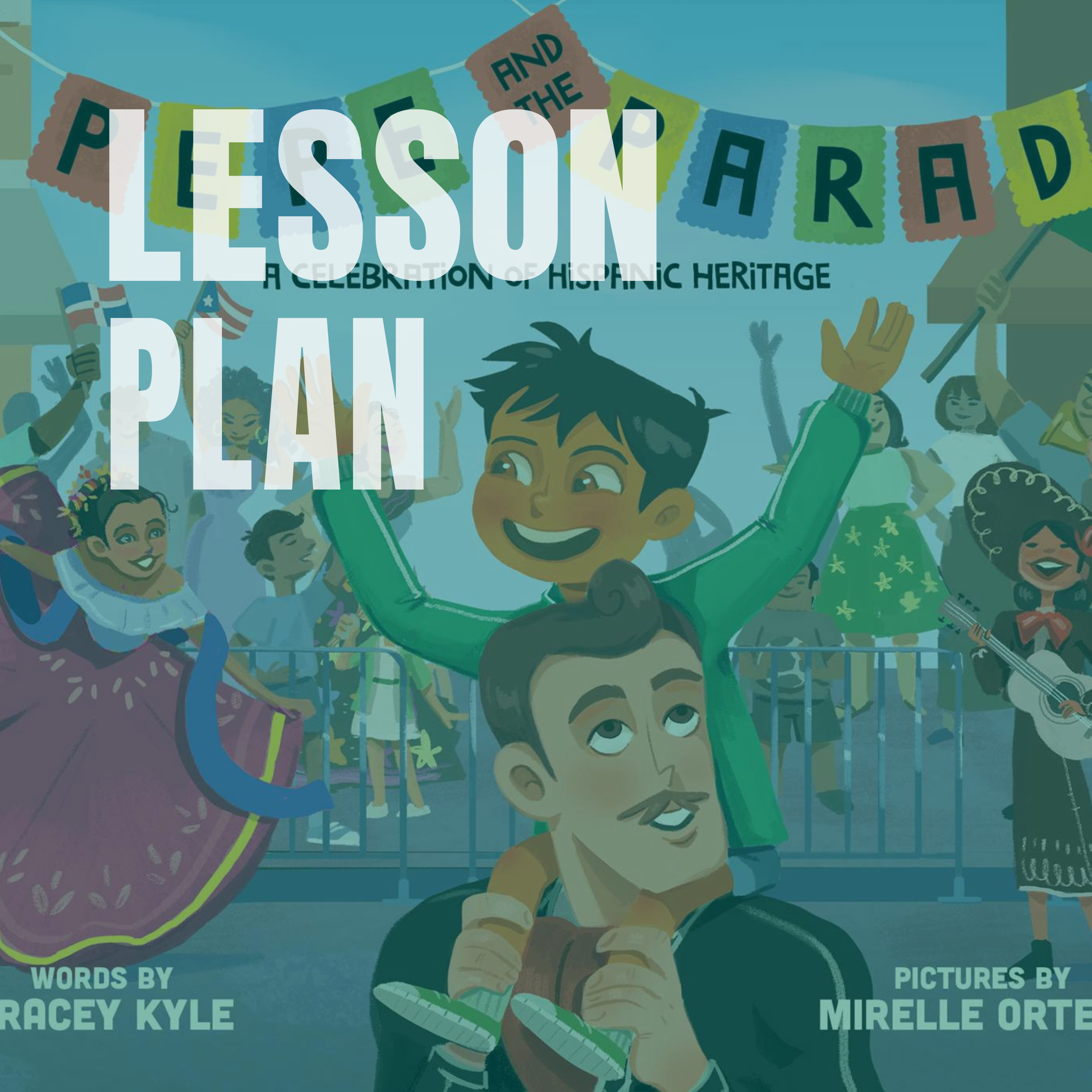
Parading with Pepe: A Peek into Hispanic Pride
This lesson uses the picture book Pepe and the Parade to help young learners explore Hispanic Heritage Month. Through read-aloud, discussion, and creative expression, students will discover traditions, reflect on identity, and celebrate culture.

Read, Learn, Celebrate: Jewish American Heritage Month
Jewish American Heritage Month (JAHM) is an annual celebration of Jewish history, people and culture that takes place every May. JAHM began as a weeklong celebration in 1980 when Congress passed a resolution that authorized the President to proclaim the week of April 21-28, 1980 as Jewish Heritage Week. In 2006, President George W. Bush proclaimed May as Jewish American Heritage Month. According to the American Jewish Committee, “Since 2007, Presidents Bush, Obama, Trump, and Biden have all issued proclamations for Jewish American Heritage Month, which celebrate Jewish Americans and encourage all Americans to learn more about Jewish heritage and contributions to the U.S.” In this lesson, students will learn about Jewish American Heritage Month and its historical context, read and discuss books about Jewish history, culture and achievements, and will consider ideas for celebrating JAHM in May and throughout the year.

Exploring Asian American and Pacific Islander Heritage Month
May is Asian American and Pacific Islander Heritage Month (AAPIHM), also sometimes referred to as Asian American, Native Hawaiian, and Pacific Islander Heritage Month. AAPIHM is a month-long commemoration of the history, culture, contributions and achievements of people who are Asian American, Native Hawaiian and Pacific Islander. This month was first acknowledged in 1979 when President Jimmy Carter declared a celebration of Asian Pacific American Heritage Week. In 1990 under President George H.W. Bush, Congress passed a law that made the commemoration the full month of May. This lesson provides an opportunity for students to learn about the origins of AAPIHM, explore demographics about the AAPI community, and consider ways that AAPIHM should be commemorated in schools and communities.

Exploring National Arab American Heritage Month
April is National Arab American Heritage Month (NAAHM). NAAHM is a month-long commemoration of the history, culture, contributions and achievements of Arab American people. Although celebrated by some states for years, the commemorative month was officially initiated in 2017 by two organizations, Arab America and the Arab America Foundation. In 2022, Congress, the U.S. The Department of State, and 45 state Governors issued proclamations commemorating the initiative. In 2023, President Joe Biden issued, for the first time, a proclamation that designated the annual commemoration of National Arab American Heritage Month. This lesson provides an opportunity for students to learn about the origins of NAAHM, gain knowledge about the Arab American community and consider ways that NAAHM should be commemorated in schools and communities.
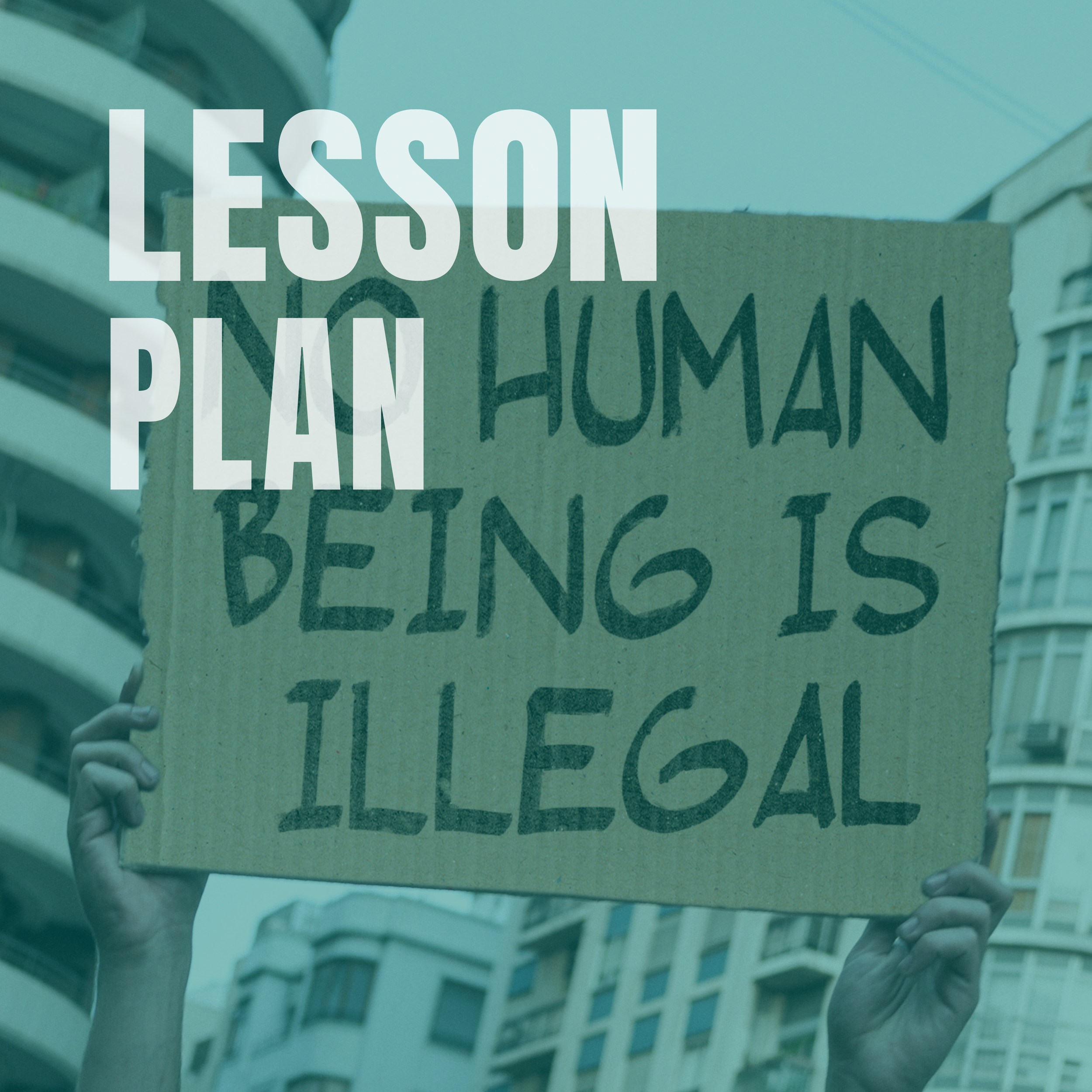
ICE’s Actions and Our Constitutional Rights
In late 2025 and early 2026, ICE’s (Immigration and Customs Enforcement) “Operation Metro Surge” took place in Minneapolis and St. Paul, Minnesota. The purpose of this “surge” was to apprehend and deport undocumented immigrants as part of ICE's larger efforts nationwide. There was a great deal of media attention on what happened in Minnesota, not only because several people–including Renee Good and Alex Preti– were shot and killed by ICE agents, but there were ongoing allegations that what the federal government was doing violates people’s constitutional rights. In this lesson, students will explore and understand the First and Fourth amendments, connect those constitutional rights to the actions of ICE and reflect on the roles different people can play in challenging these actions.

Fry Bread and Family Heritage
In this lesson, students will explore the richness and diversity of Indigenous peoples through the award-winning picture book Fry Bread: A Native American Family Story by Kevin Noble Maillard. Through a read-aloud, guided discussion, and hands-on cultural exploration activity, students will learn how food can tell stories, preserve traditions, and connect generations.