

Lesson Plans for Every Classroom
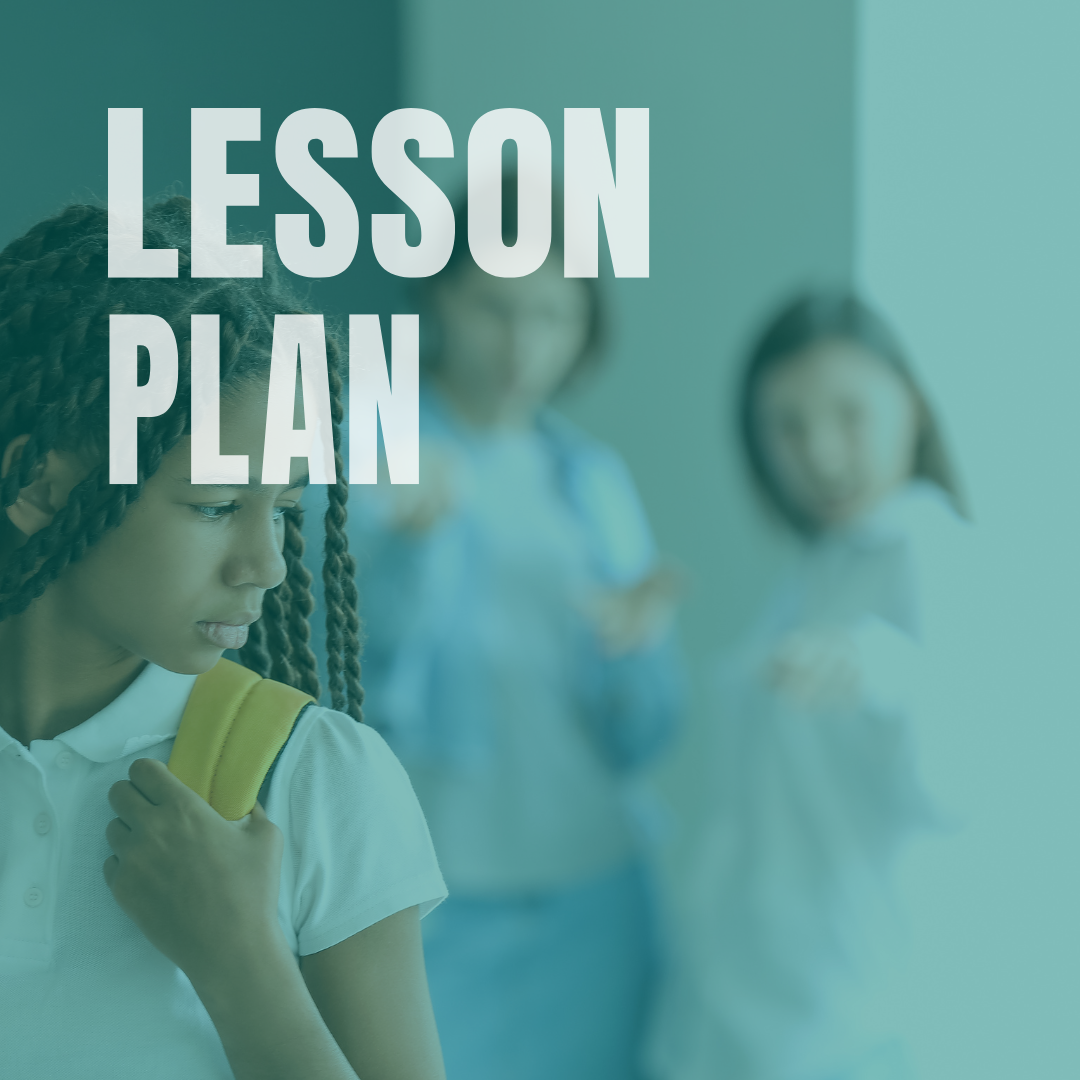
Bullying: What is It and What Can We Do About It?
Across the country, bullying takes place in schools every day. Among elementary-age children, about 1 in 4 students in the U.S. reports being bullied. It is important to understand what bullying is and is not. Bullying is not only mean behavior, but repeated mean behavior done on purpose, and where a power imbalance usually exists. Talking about bullying with students can happen at the beginning of the school year, in October during National Bullying Prevention Month, or anytime throughout the school year. In this lesson plan, students will define bullying, learn about the different types of bullying and reflect on bullying scenarios and what can be done in those situations.

Voices of Heritage: Exploring Identity Through Poetry and Prose
This lesson uses the book Yes! We Are Latinos, a powerful collection of poems and prose, to explore the richness and diversity of the Latino experience in the United States. Students will examine stories of identity, heritage, struggle, and pride as shared by fictionalized Latino characters representing various cultural backgrounds. As part of Hispanic Heritage Month, this lesson helps students develop a deeper understanding of how culture shapes identity and encourages them to reflect on their own voices and experiences. Students will create personal identity poems or artistic responses inspired by the voices in the text.
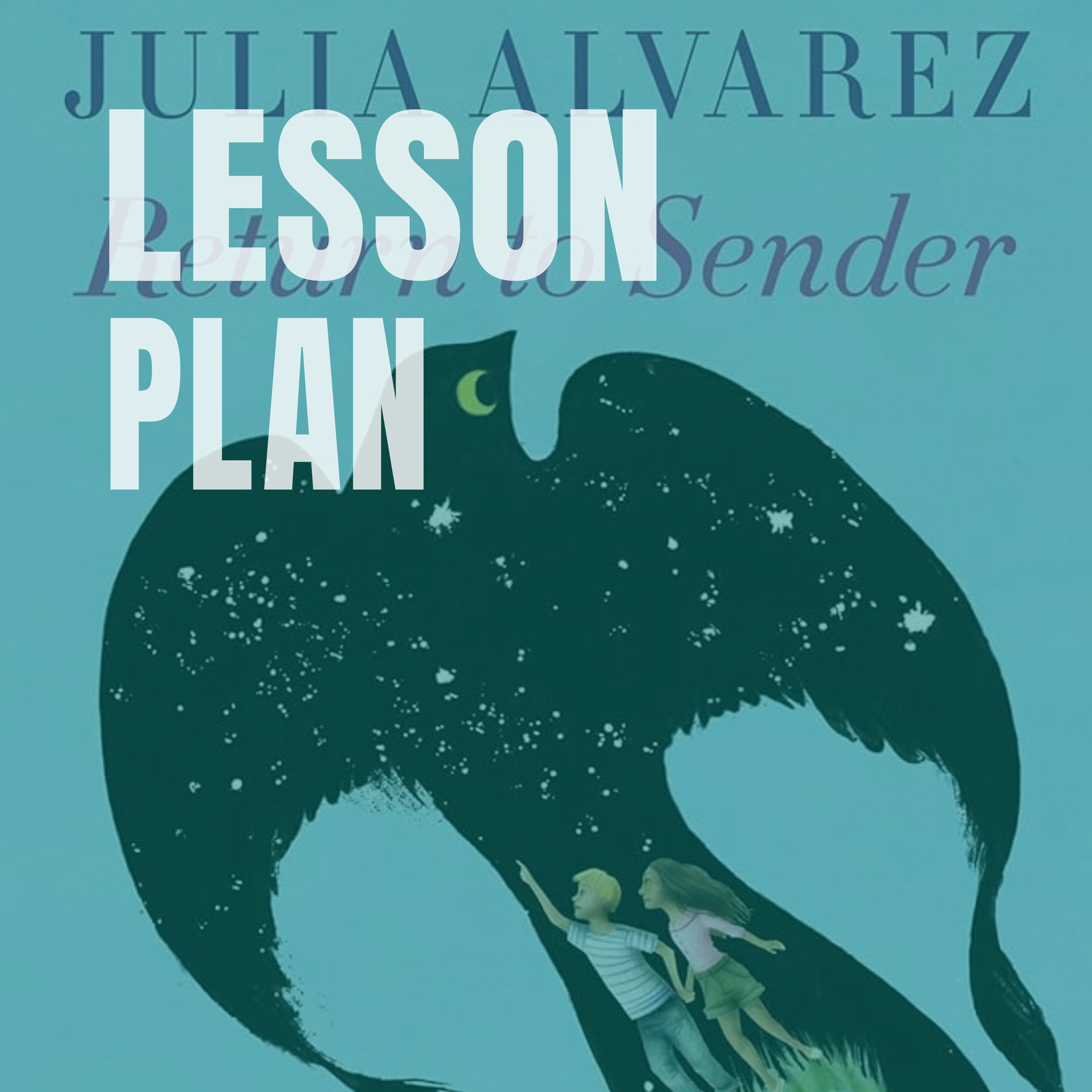
Borders, Belonging, and Brave Voices
In this lesson, students will either read some excerpts from Return to Sender by Julia Alvarez or the entire book, to examine the complexities of immigration, family separation, cultural identity, and friendship. Students will participate in thoughtful discussion, reflect on personal values and cultural backgrounds, and write a creative letter from the perspective of one of the characters.
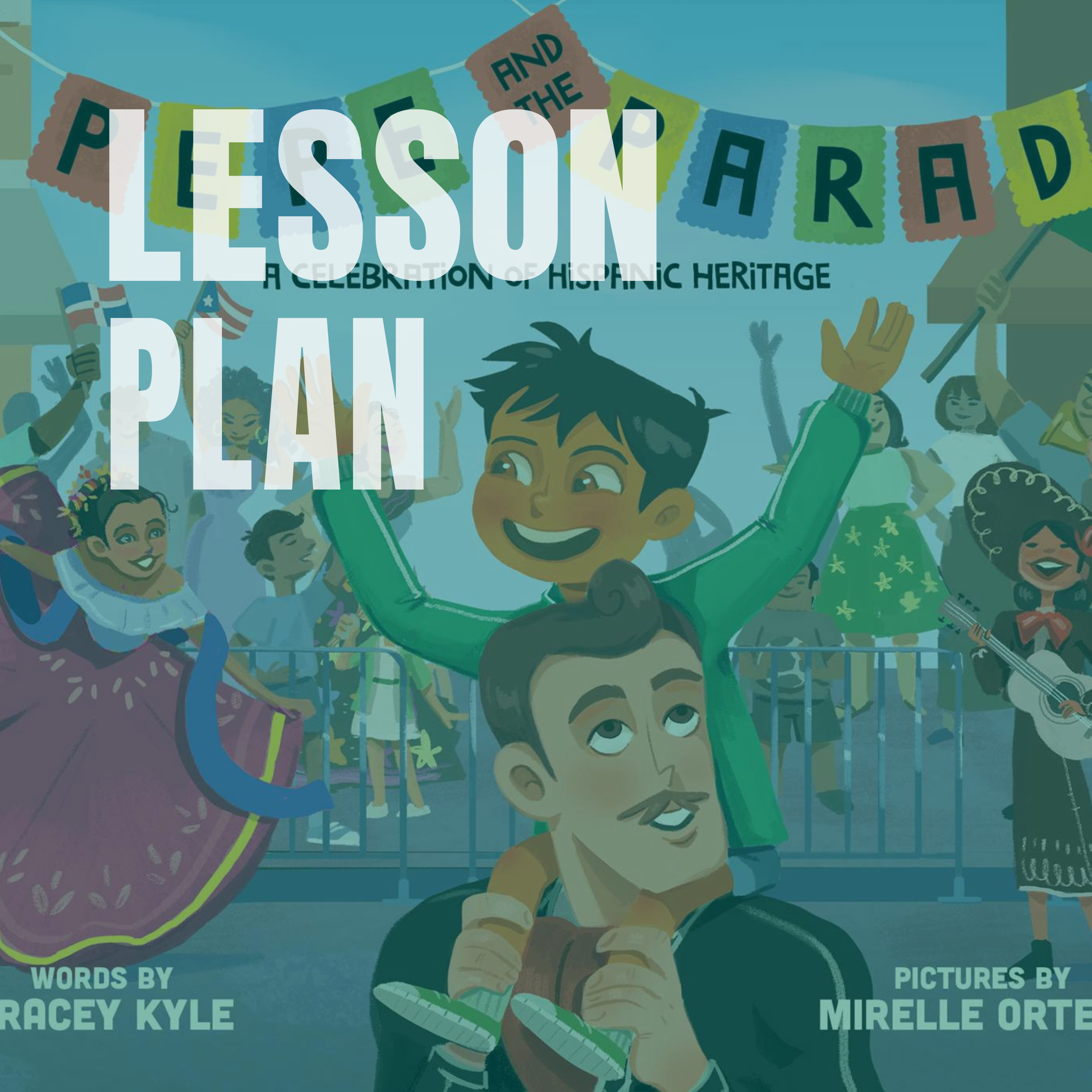
Parading with Pepe: A Peek into Hispanic Pride
This lesson uses the picture book Pepe and the Parade to help young learners explore Hispanic Heritage Month. Through read-aloud, discussion, and creative expression, students will discover traditions, reflect on identity, and celebrate culture.
Using Picture Books to Foster Belonging and Respect in the Classroom
The beginning of the school year can be exciting and positive for some children and for others, it can be scary or difficult. For all students, wanting to feel safe, included, and valued is universal. It is useful, especially at the beginning of the school year, to talk with students about what it means to feel respected, welcomed, accepted and supported in their classroom. This can also be discussed or revisited at other times during the school year when those concepts need to be reinforced or strengthened. In this lesson, students will explore what they need in order to make their classroom environment strong, positive and respectful for all by reading and discussing picture books that explore those themes.
Stories of Courage, Care, and Change
Women’s History Month, an annual celebration of the history, achievements and contributions of women, takes place every year in March. Women’s History Month began in 1978 as a local celebration in Santa Ana, California as “Women’s History Week; its organizers selected the week of March 8 to align with International Women’s Day. The idea spread across the country and then, in 1980, President Jimmy Carter issued the first Presidential Proclamation declaring the week of March 8 “Women’s History Week.” Seven years later in 1987, Congress passed a law designating March as “Women’s History Month” and some other countries also began to hold celebrations for Women’s History Month. In this lesson, students will learn about Women’s History Month and its historical context, read and discuss books about women’s history and consider ideas for honoring Women’s History in March and beyond.

Buried Stories
This lesson introduces students to the history of Native American boarding schools in the United States to build essential background knowledge before reading Two Roads by Joseph Bruchac. Students will examine the government's motives for assimilation policies, how Indigenous children were taken or sent to these schools, and the long-term effects on Indigenous communities and identity.

Freedom, Facts, and the Fight for Fairness: Understanding Juneteenth through Literature
This lesson introduces elementary students to the meaning and importance of Juneteenth using the picture book Juneteenth for Mazie by Floyd Cooper. Through read-aloud, discussion, and creative activities, students will explore the themes of freedom, justice, remembrance, and celebration.