
Lesson Plans for Every Classroom
Bystander to Action
When young people are targeted by bias or bullying–whether it’s at school, in social situations, or online–there are often bystanders. There may be one bystander, a few, or many bystanders. Among other reasons, oftentimes the “bystander effect” takes hold and no one says or does anything when witnessing bias or bullying. In this lesson, students will learn about the bystander effect, reflect on their own experiences with bystanding, and examine bystander scenarios in order to explore possible actions.
Exploring Differences and Weight Bias through the use of the book "Big”
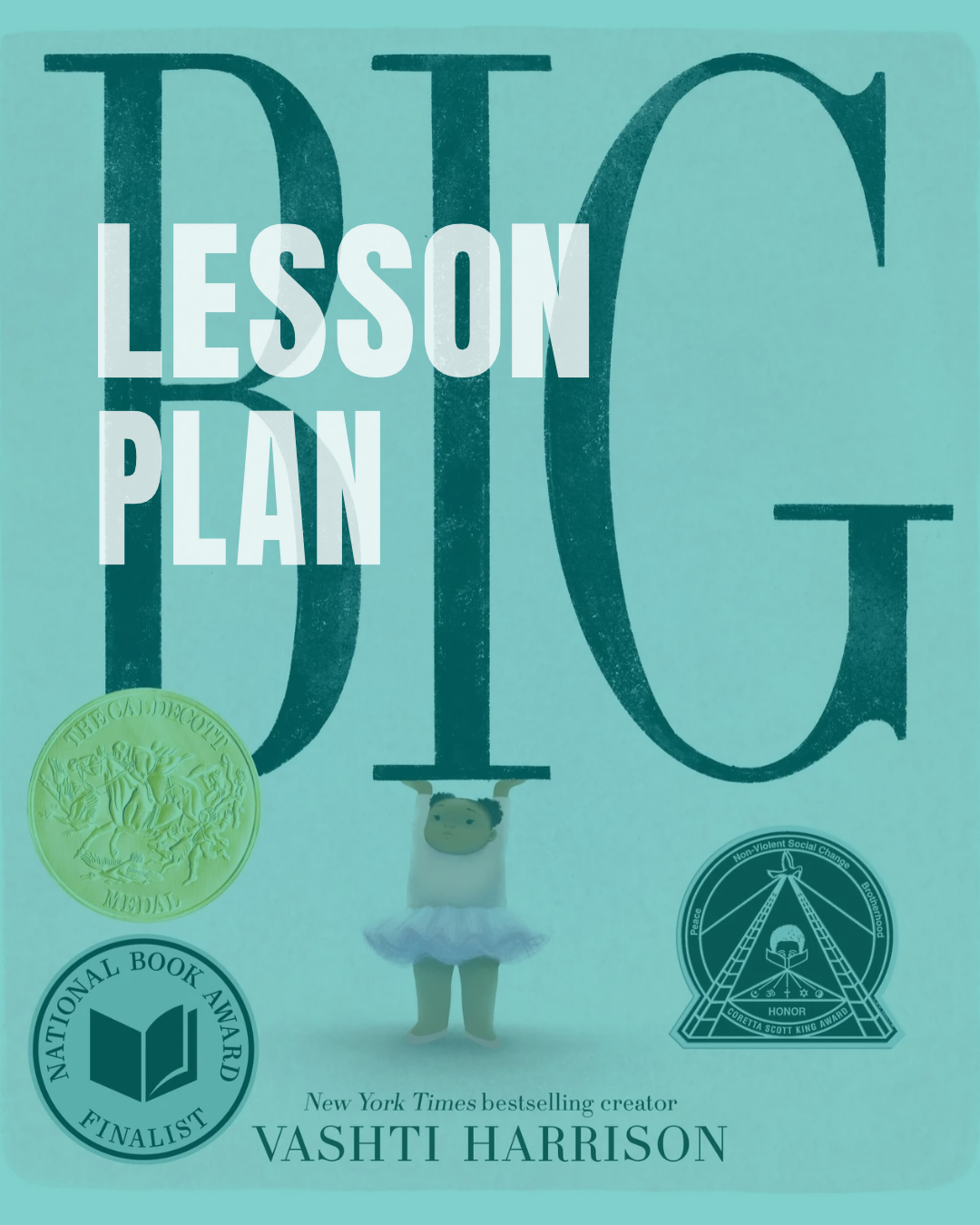
Weight or size bias begins for children at a young age. Awareness of size and shaming of size starts early and can be seen in children as young as three years old. When it goes unchecked, weight bias persists and grows. In K-12 schools, weight bias often shows as verbal teasing/bullying, physical bullying or indirect forms like relational bullying (e.g., social exclusion, being the subject of rumors). Although weight and size bias can be challenging to discuss, it is a critical topic for elementary age children. This lesson provides an opportunity for students to understand what weight bias is, using a picture book Big by Vashti Harrison. Students will also reflect on examples of weight bias and explore what can be done about it.

Spotlight on Social Media: Meta Lawsuit & Its Impact on Young People
In August 2026, Meta, the company that owns social media platforms including Facebook, Instagram, and WhatsApp, settled a lawsuit brought by 29 U.S. states. The states accused Meta of designing their apps to be addictive to young people, knowing about the risks to them, but hiding that information from the public. Meta settled out of court, paying up to $17 billion in penalties to the states and agreeing to make changes to their social media platforms. The changes are designed to help protect teens from the mental health harms associated with social media use. In this lesson, students will learn about the Meta lawsuit, explore the connection between social media and mental health, and reflect on the new social media guidelines.

Bullying: What is It and What Can We Do About It?
Across the country, bullying takes place in schools every day. Among elementary-age children, about 1 in 4 students in the U.S. reports being bullied. It is important to understand what bullying is and is not. Bullying is not only mean behavior, but repeated mean behavior done on purpose, and where a power imbalance usually exists. Talking about bullying with students can happen at the beginning of the school year, in October during National Bullying Prevention Month, or anytime throughout the school year. In this lesson plan, students will define bullying, learn about the different types of bullying and reflect on bullying scenarios and what can be done in those situations.

Using Picture Books to Foster Belonging and Respect in the Classroom
The beginning of the school year can be exciting and positive for some children and for others, it can be scary or difficult. For all students, wanting to feel safe, included, and valued is universal. It is useful, especially at the beginning of the school year, to talk with students about what it means to feel respected, welcomed, accepted and supported in their classroom. This can also be discussed or revisited at other times during the school year when those concepts need to be reinforced or strengthened. In this lesson, students will explore what they need in order to make their classroom environment strong, positive and respectful for all by reading and discussing picture books that explore those themes.