

Lesson Plans for Every Classroom
What are you looking for today?
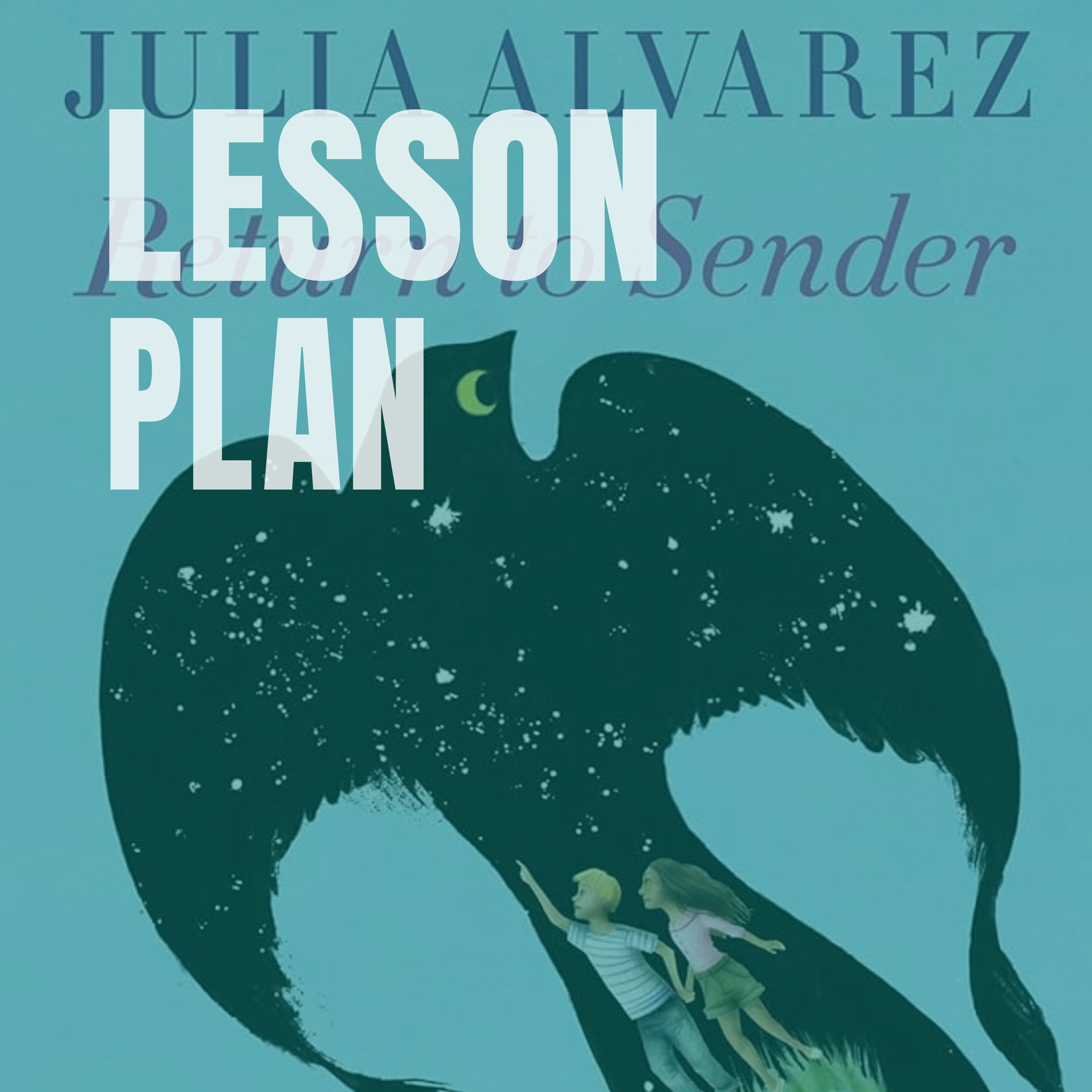
Borders, Belonging, and Brave Voices
In this lesson, students will either read some excerpts from Return to Sender by Julia Alvarez or the entire book, to examine the complexities of immigration, family separation, cultural identity, and friendship. Students will participate in thoughtful discussion, reflect on personal values and cultural backgrounds, and write a creative letter from the perspective of one of the characters.
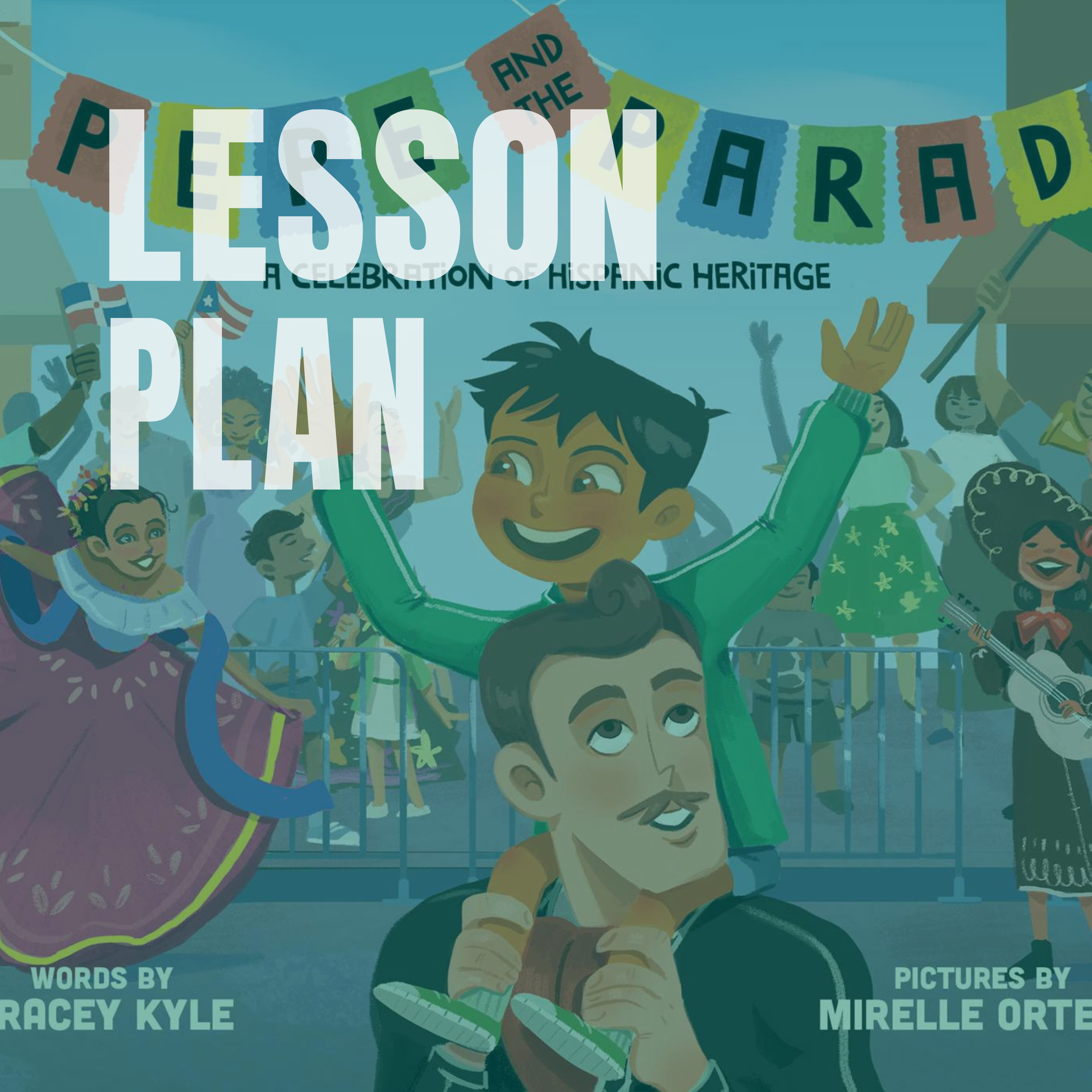
Parading with Pepe: A Peek into Hispanic Pride
This lesson uses the picture book Pepe and the Parade to help young learners explore Hispanic Heritage Month. Through read-aloud, discussion, and creative expression, students will discover traditions, reflect on identity, and celebrate culture.

Freedom, Facts, and the Fight for Fairness: Understanding Juneteenth through Literature
This lesson introduces elementary students to the meaning and importance of Juneteenth using the picture book Juneteenth for Mazie by Floyd Cooper. Through read-aloud, discussion, and creative activities, students will explore the themes of freedom, justice, remembrance, and celebration.

Voices in Danger: Free Speech, Activism, and the Threat of Deportation
Over the past several months, the current U.S. government began cracking down on foreign college and graduate students and faculty who have voiced support for specific political causes. Colleges and universities across the country are seeing students and faculty either arrested by Immigration and Customs Enforcement (ICE) or having their visas revoked. In many of these situations, official charges have not been disclosed. For this reason, many are wondering if these arrests are due to the students’ activism and a violation of their rights to freedom of speech. This lesson provides an opportunity for students to learn more about freedom of speech, understand some of these recent arrests, consider their points of view about this and express it in a letter.

Beyond the Buzzwords: The Realities of DEI Implementation and Backlash
The origins of DEI (diversity, equity and inclusion) programs date back to the Civil Rights Movement of the 1950s and 1960s, which increased efforts to create more diverse and inclusive workplaces. The Civil Rights Act of 1964 made employment discrimination based on race, religion, sex, color and national origin illegal. Over the next six decades, these programs and practices continue to grow and evolve to other developments and efforts. In the wake of Black Lives Matter and other social justice movements in the 2020s, the two Trump administrations have sought to eliminate DEI efforts and programs. This lesson provides an opportunity for students to explore the origins and history of DEI, understand the backlash against DEI principles and practices and express their perspective about DEI through an art or writing activity.

Understanding the Crisis of Missing and Murdered Indigenous Women and Girls (MMIWG)
The Missing and Murdered Indigenous Women (MMIW) crisis, sometimes also called Missing and Murdered Indigenous Women and Girls (MMIWG), is an effort and movement to raise awareness and seek justice for the violence against Indigenous women and girls in North America. It also aims to draw attention to the high rates of disappearances and murders of Indigenous women and girls. This lesson provides an opportunity to learn more about this crisis and the reasons for the disproportionality, explore what stakeholders can do to address it and reflect on works of art aimed at raising awareness.

The Purpose of Women's History Month
Women’s History Month is celebrated and commemorated every year in March. The goal of Women’s History Month is to recognize the contributions and accomplishments of women throughout history and to highlight gender inequities and the ways they have been and continue to be challenged. Women’s History Month officially began in 1980 when President Jimmy Carter proclaimed the week of March 8 Women’s History Week. In 1987, Congress passed a law that authorized the President to proclaim March as Women’s History Month, changing it from a week-long celebration to a full month. This lesson provides an opportunity for students to learn more about the goals and origins of Women’s History Month, explore how sexism manifests in the U.S. and around the globe and reflect on how to commemorate Women’s History Month in March and beyond.

Trailblazers, Changemakers, and Visionaries: Exploring Black History Month
Black History Month is celebrated and commemorated every year in February. In 1926, Dr. Carter G. Woodson organized the first history week and fifty years later in 1976, President Gerald Ford officially recognized "Black History Month" for the first time. The purpose of this dedicated month is to commemorate Black history and culture and celebrate Black individual and group accomplishments and achievements. This lesson provides an opportunity for students to learn more about Black History Month and its history, reflect on the importance of commemorative themed months and consider different ideas about how to commemorate the month and beyond.

Exploring Antisemitism and Interrupting Hate
Antisemitism is often referred to as the “longest form of hatred.” A lot of people think that antisemitism first appeared with the Holocaust and then went away after WWII, but it’s actually a system of bias that has persisted and evolved throughout time. This lesson invites students to explore how antisemitism has manifested across different eras, and provides an opportunity to think through ways that they can interrupt antisemitism and other forms of hate in their everyday lives.