

Lesson Plans for Every Classroom
What are you looking for today?

Exploring Asian American and Pacific Islander Heritage Month
May is Asian American and Pacific Islander Heritage Month (AAPIHM), also sometimes referred to as Asian American, Native Hawaiian, and Pacific Islander Heritage Month. AAPIHM is a month-long commemoration of the history, culture, contributions and achievements of people who are Asian American, Native Hawaiian and Pacific Islander. This month was first acknowledged in 1979 when President Jimmy Carter declared a celebration of Asian Pacific American Heritage Week. In 1990 under President George H.W. Bush, Congress passed a law that made the commemoration the full month of May. This lesson provides an opportunity for students to learn about the origins of AAPIHM, explore demographics about the AAPI community, and consider ways that AAPIHM should be commemorated in schools and communities.

Trailblazers, Changemakers, and Visionaries: Exploring Black History Month
Black History Month is celebrated and commemorated every year in February. In 1926, Dr. Carter G. Woodson organized the first history week and fifty years later in 1976, President Gerald Ford officially recognized "Black History Month" for the first time. The purpose of this dedicated month is to commemorate Black history and culture and celebrate Black individual and group accomplishments and achievements. This lesson provides an opportunity for students to learn more about Black History Month and its history, reflect on the importance of commemorative themed months and consider different ideas about how to commemorate the month and beyond.
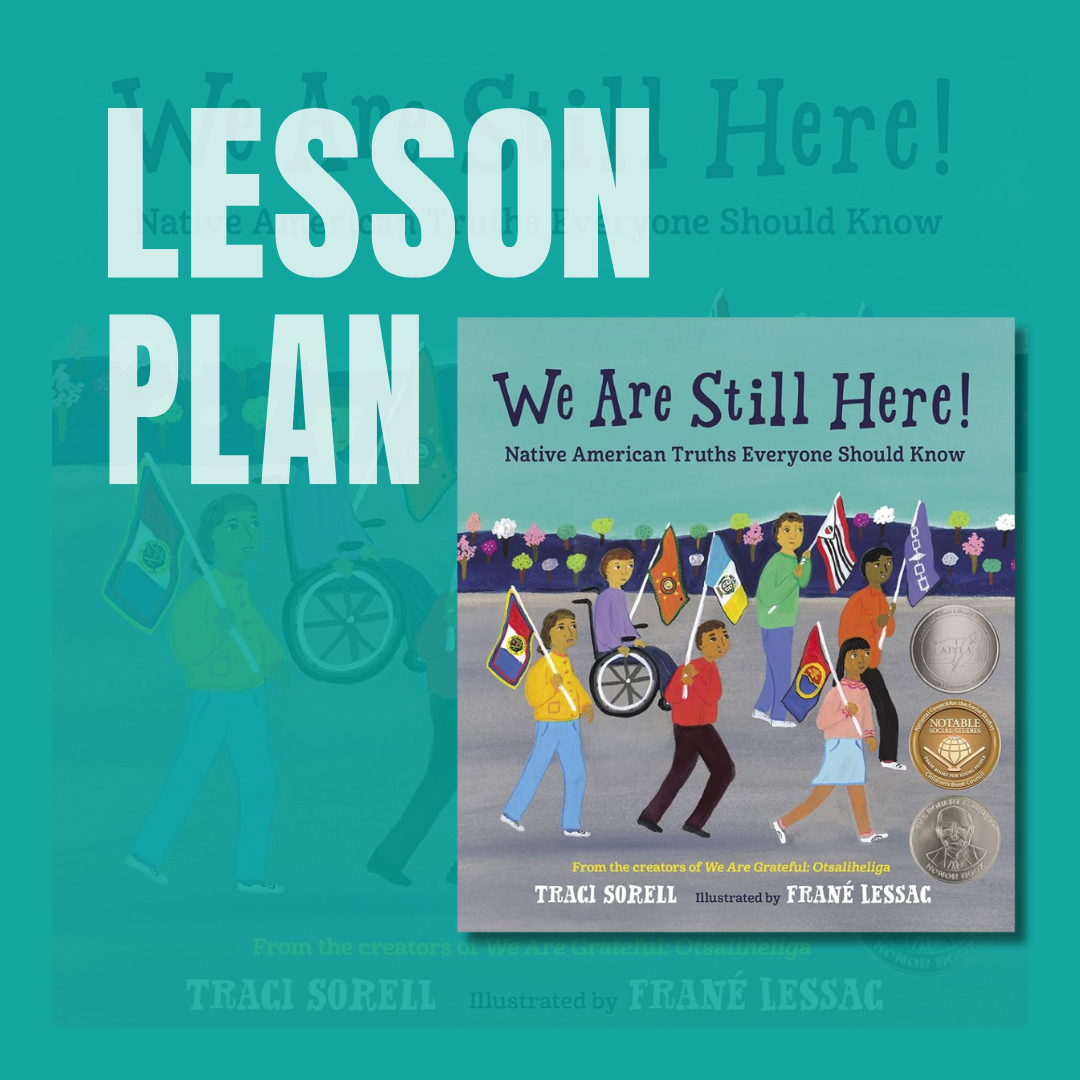
Indigenous Peoples’ Day
Indigenous Peoples’ Day was first proposed by Indigenous people at a 1977 United Nations conference. Their goal in proposing this day was to prevent bias and discrimination against Indigenous people and also to counter the inaccurate story that Christopher Columbus “discovered” the Americas. Many states, by law and proclamation, officially celebrate Indigenous Peoples’ Day. And yet, many people don’t know much about the history, cultures, heritages and traditions of Indigenous peoples. This lesson plan provides an opportunity for students to learn what Indigenous Peoples’ Day is, understand the holiday’s history and explore various aspects of Indigenous people.