

Lesson Plans for Every Classroom
What are you looking for today?
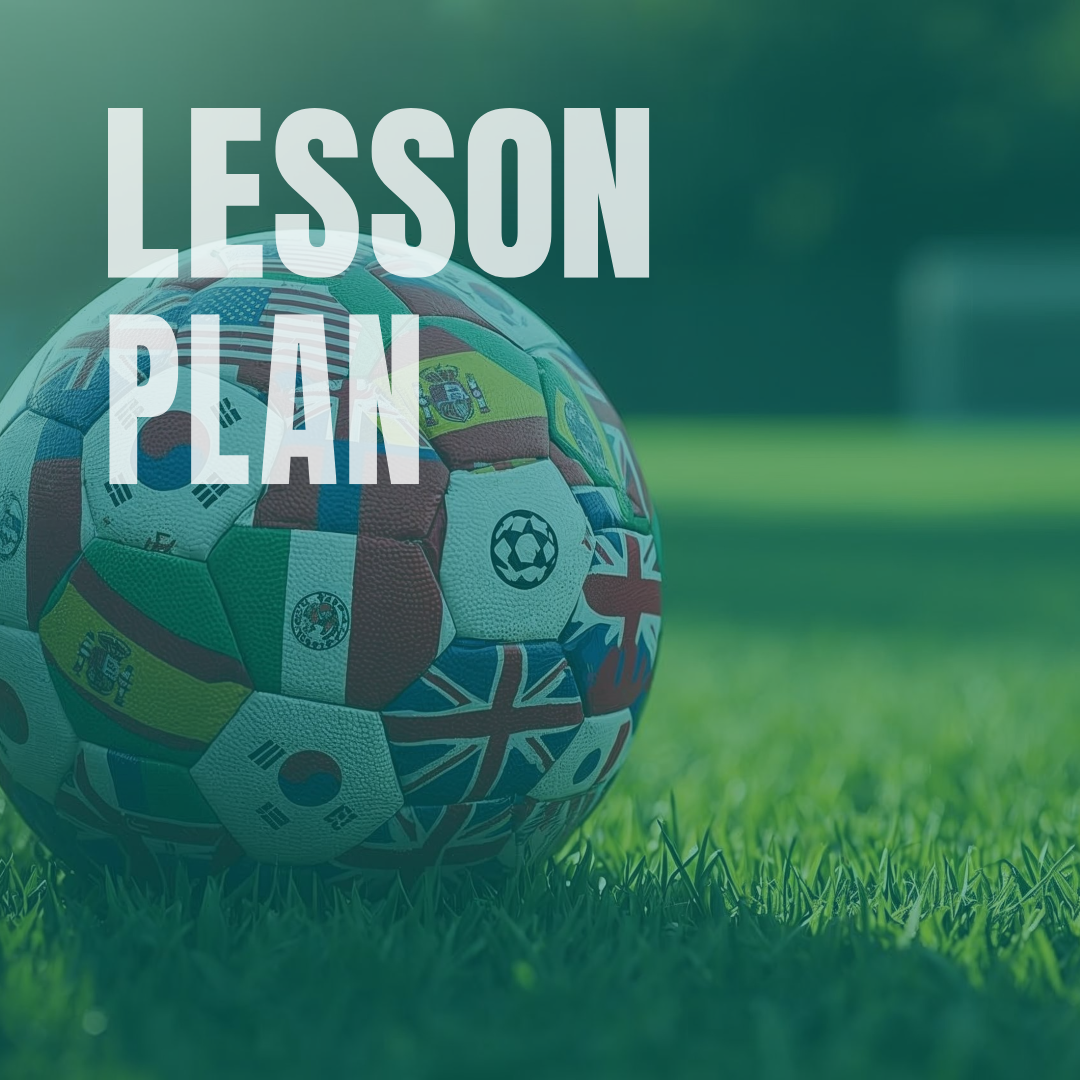
World Cup Soccer: Players, Countries and Cultures
Every four years, the FIFA (Fédération Internationale de Football Association) World Cup excites and entertains young people and adults worldwide. The biggest global event in sports, the World Cup provides not only entertainment but also a great opening to learn about people around the world, the countries they represent, their stories and their culture. In this lesson, students will learn about the World Cup and its history, explore stories about players to reflect on countries and culture, and create their own World Cup album that includes player profiles, team badges, World Cup history and more.
Using Picture Books to Foster Belonging and Respect in the Classroom
The beginning of the school year can be exciting and positive for some children and for others, it can be scary or difficult. For all students, wanting to feel safe, included, and valued is universal. It is useful, especially at the beginning of the school year, to talk with students about what it means to feel respected, welcomed, accepted and supported in their classroom. This can also be discussed or revisited at other times during the school year when those concepts need to be reinforced or strengthened. In this lesson, students will explore what they need in order to make their classroom environment strong, positive and respectful for all by reading and discussing picture books that explore those themes.
Exploring National Arab American Heritage Month
April is National Arab American Heritage Month (NAAHM). NAAHM is a month-long commemoration of the history, culture, contributions and achievements of Arab American people. Although celebrated by some states for years, the commemorative month was officially initiated in 2017 by two organizations, Arab America and the Arab America Foundation. In 2022, Congress, the U.S. The Department of State, and 45 state Governors issued proclamations commemorating the initiative. In 2023, President Joe Biden issued, for the first time, a proclamation that designated the annual commemoration of National Arab American Heritage Month. This lesson provides an opportunity for students to learn about the origins of NAAHM, gain knowledge about the Arab American community and consider ways that NAAHM should be commemorated in schools and communities.
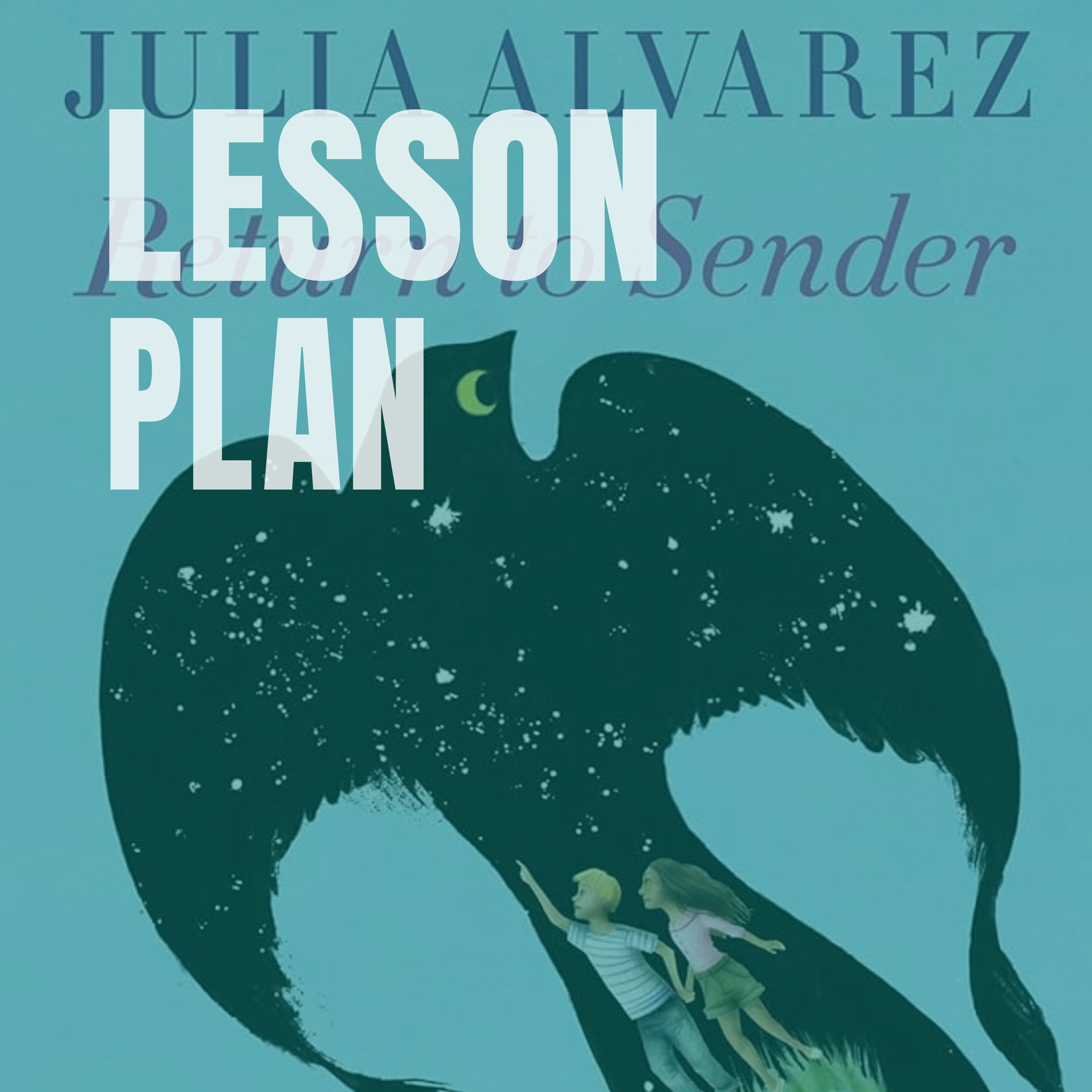
Borders, Belonging, and Brave Voices
In this lesson, students will either read some excerpts from Return to Sender by Julia Alvarez or the entire book, to examine the complexities of immigration, family separation, cultural identity, and friendship. Students will participate in thoughtful discussion, reflect on personal values and cultural backgrounds, and write a creative letter from the perspective of one of the characters.
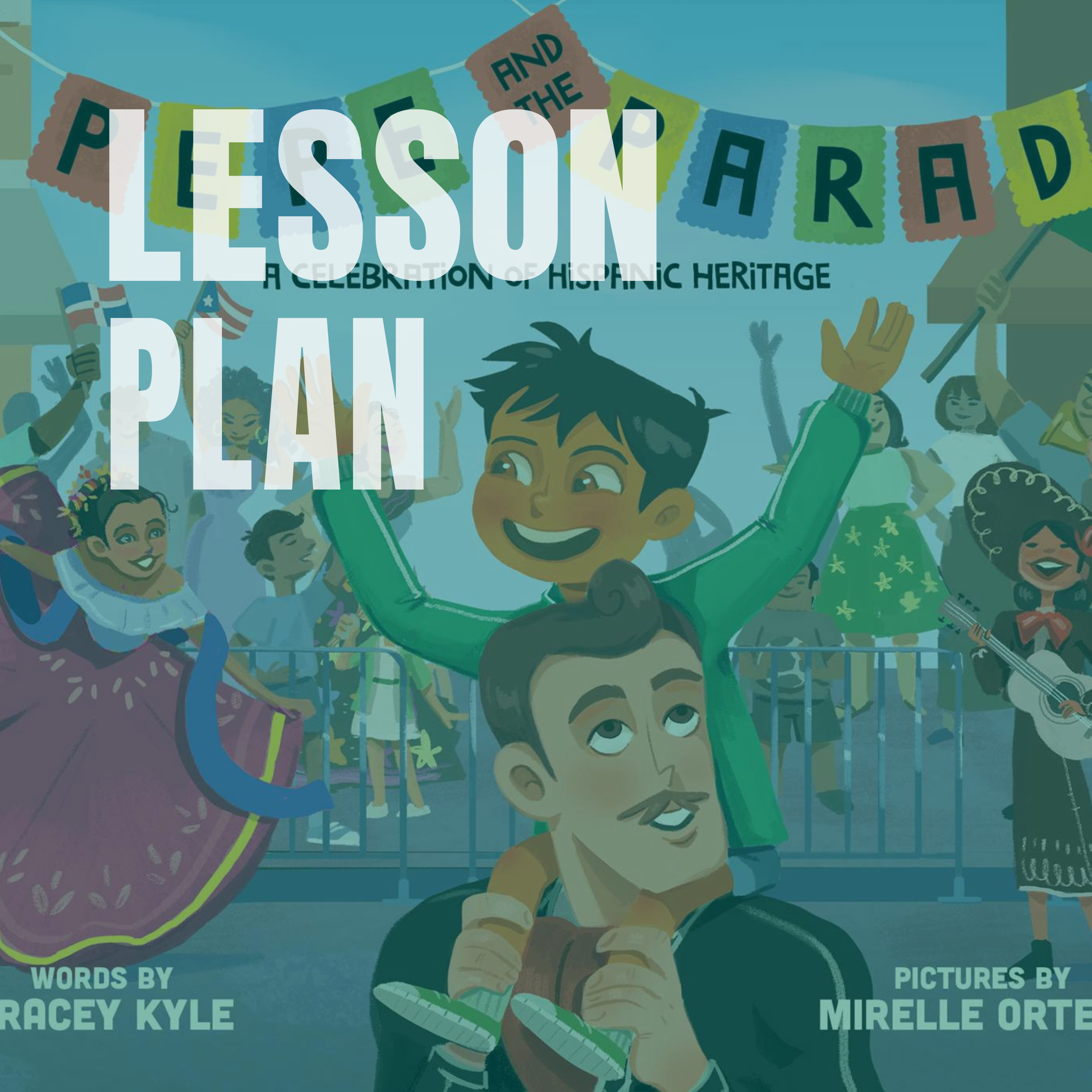
Parading with Pepe: A Peek into Hispanic Pride
This lesson uses the picture book Pepe and the Parade to help young learners explore Hispanic Heritage Month. Through read-aloud, discussion, and creative expression, students will discover traditions, reflect on identity, and celebrate culture.

Beyond the Buzzwords: The Realities of DEI Implementation and Backlash
The origins of DEI (diversity, equity and inclusion) programs date back to the Civil Rights Movement of the 1950s and 1960s, which increased efforts to create more diverse and inclusive workplaces. The Civil Rights Act of 1964 made employment discrimination based on race, religion, sex, color and national origin illegal. Over the next six decades, these programs and practices continue to grow and evolve to other developments and efforts. In the wake of Black Lives Matter and other social justice movements in the 2020s, the two Trump administrations have sought to eliminate DEI efforts and programs. This lesson provides an opportunity for students to explore the origins and history of DEI, understand the backlash against DEI principles and practices and express their perspective about DEI through an art or writing activity.