

Lesson Plans for Every Classroom
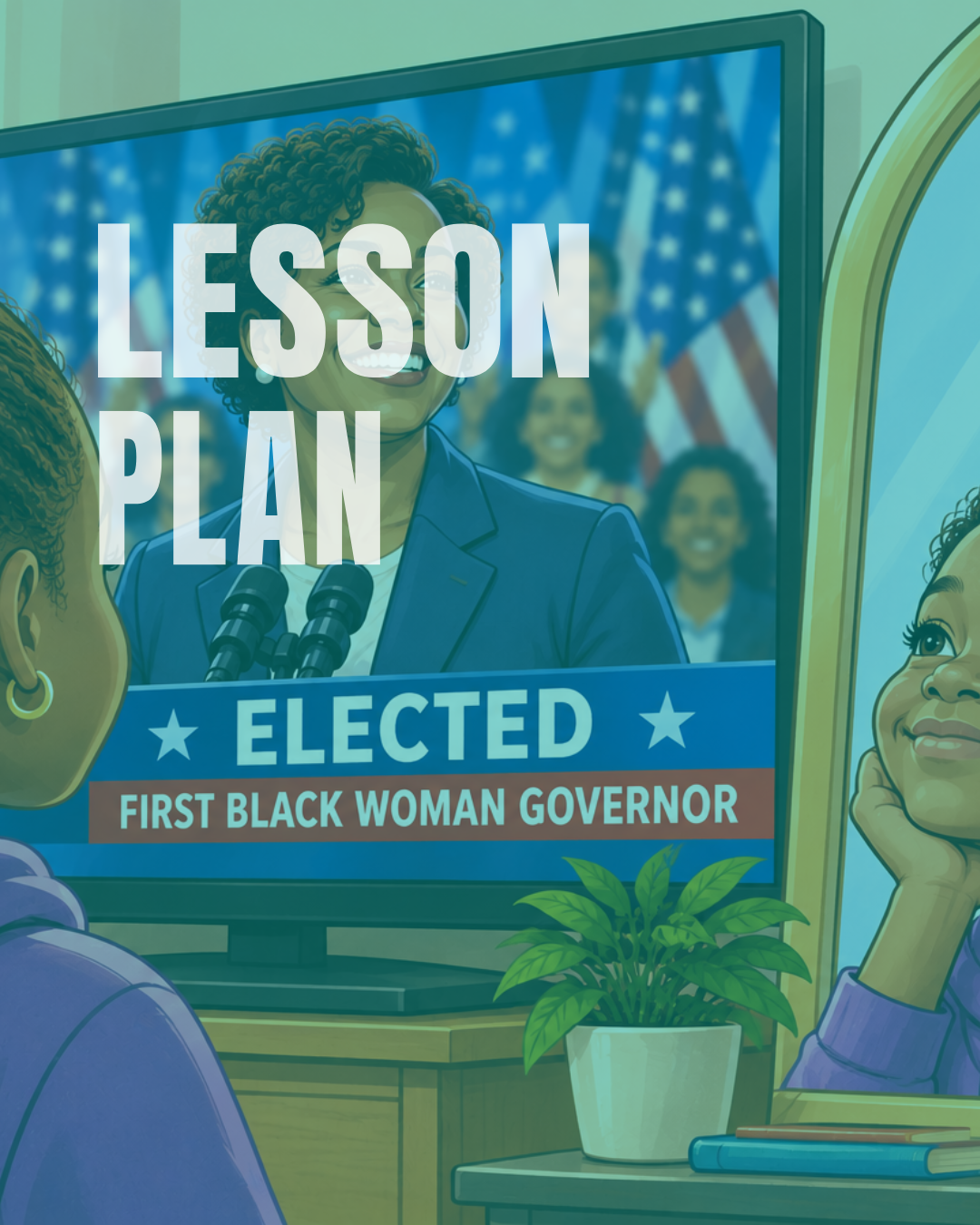
Who Speaks for Us? Why Representation Matters
In the U.S. 2026 midterm elections, there were many “historical firsts.” Keisha Lance Bottoms became the first Black woman Governor in U.S.history. Abdul El-Sayed is now the first Muslim Senator in the U.S. Chris Pappas became the first openly gay man in the Senate. There are many others. These historical firsts are important and meaningful because the people we elect to represent us should not only represent our views, opinions and policy positions. They should also be representative of the diversity of our country. In this lesson, students will explore the concept of “representation,” learn about some of the historical firsts elected during the 2026 midterm elections, and research one of those elected officials in depth.

Unseen Challenges: Raising Awareness of Invisible Disabilities
People with invisible disabilities face specific challenges that are often overlooked when analyzing the bias that people with disabilities experience. They may encounter misunderstanding, judgment and stigma. They may not be believed or feel they have to justify their disability. They also may not get the proper diagnosis of their condition or the accommodations they need. This lesson provides an opportunity for students to learn more about invisible disabilities, reflect on the bias and other challenges people face and analyze school-based scenarios that involve students with invisible disabilities.

Voices of Heritage: Exploring Identity Through Poetry and Prose
This lesson uses the book Yes! We Are Latinos, a powerful collection of poems and prose, to explore the richness and diversity of the Latino experience in the United States. Students will examine stories of identity, heritage, struggle, and pride as shared by fictionalized Latino characters representing various cultural backgrounds. As part of Hispanic Heritage Month, this lesson helps students develop a deeper understanding of how culture shapes identity and encourages them to reflect on their own voices and experiences. Students will create personal identity poems or artistic responses inspired by the voices in the text.

Parading with Pepe: A Peek into Hispanic Pride
This lesson uses the picture book Pepe and the Parade to help young learners explore Hispanic Heritage Month. Through read-aloud, discussion, and creative expression, students will discover traditions, reflect on identity, and celebrate culture.

Mascots, Meaning, and Misrepresentation
In this lesson, students will explore identity, cultural respect, and representation by reading excerpts from Mascot, a novel-in-verse by Charles Waters and Traci Sorell. This story follows a group of middle school students as they confront the controversy over their school’s Native-themed mascot. Students will engage in a discussion about symbols, allyship, and how to advocate for respectful representation of Native/Indigenous communities.

Bridging Past and Present: Lessons from Native American Heritage Month
Native American Heritage Month is celebrated and commemorated every year during November. The purpose of this dedicated month is not only for Indigenous peoples to celebrate their history, culture, heritage and traditions. Native American History Month is also a time to educate others about tribal nations and recognize the history, accomplishments and contributions of Native people. This lesson provides an opportunity for students to learn more about Native American Heritage Month, reflect on past and current day issues facing Native American people, analyze the evolution of language used to describe Indigenous peoples and consider different ideas about how to commemorate the month and beyond.

Latinx and Complex
This lesson explores the origins and meanings of the terms Hispanic, Latino/a, Latinx, and Afro-Latino/a/x to critically understand the diversity within the Latino community. Research shows that about 68% of Latinos in the U.S. identify as Hispanic, while a significant portion prefers the term Latino/a or LatinX, reflecting personal and cultural preferences (Pew Research Center, 2020). Generational perspectives significantly influence how these identities are perceived. Among immigrant Latinos, 65% identify with their country of origin, but this drops to 36% for second-generation Latinos and just 26% for those in the third generation or higher, who are more likely to identify as "American" (Pew Research Center). This lesson will broaden students’ understanding of the relationship between identity and language and foster a deeper appreciation for the nuances within the Latino community.

Understanding Racism and Embracing Anti-Racism
Racism is all around us and permeates every aspect of our culture and society–from racist symbols and slurs, excluding people based on race, microaggressions, stereotypical or lack of representation in media portrayals and the discrimination faced by people of color in every institution in our society. Anti-racism offers a helpful way forward. The concept of anti-racism has a long history but has emerged in today’s conversations about racism, providing a way to talk about and actively fight against racism. This lesson provides an opportunity for students to understand the concepts of racism and anti-racism, reflect on examples of institutional racism and explore strategies for fostering anti-racism.

Colorism in the Entertainment Industry and Beyond
Colorism is a system of bias that privileges people with lighter skin and marginalizes people with darker skin. Colorism, closely related to racism, affects people in all walks of life including the entertainment industry, media, education, workplaces, the criminal justice system and other industries and institutions. This lesson provides an opportunity for students to understand what colorism is, explore its impact on individuals and society and suggest ways–by writing a persuasive letter or essay–to address and challenge colorism.