

Lesson Plans for Every Classroom
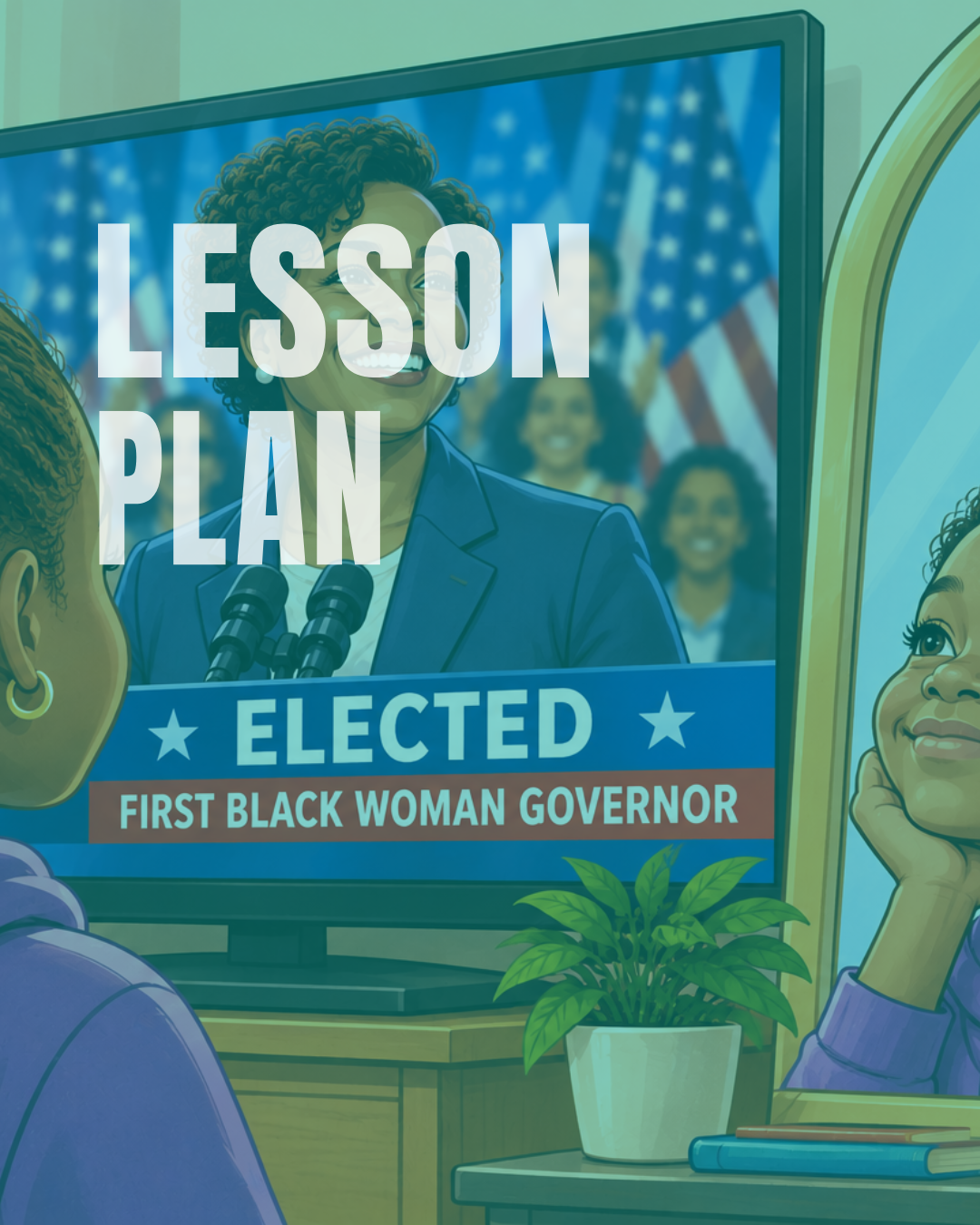
Who Speaks for Us? Why Representation Matters
In the U.S. 2026 midterm elections, there were many “historical firsts.” Keisha Lance Bottoms became the first Black woman Governor in U.S.history. Abdul El-Sayed is now the first Muslim Senator in the U.S. Chris Pappas became the first openly gay man in the Senate. There are many others. These historical firsts are important and meaningful because the people we elect to represent us should not only represent our views, opinions and policy positions. They should also be representative of the diversity of our country. In this lesson, students will explore the concept of “representation,” learn about some of the historical firsts elected during the 2026 midterm elections, and research one of those elected officials in depth.

Should 16 and 17 Year Old's be Allowed to Vote?
At its core, voting is about expressing opinions. Whether it’s voting in a political election, completing a survey about a product or service, or liking a social media post, your vote is your voice. There is a long history of voting rights in the U.S., dating back to the ratification of the Constitution in 1877. As part of that history, 1971 was the year that the voting age was reduced from twenty-one to eighteen years old. There is a movement today to lower the voting age to sixteen. In this lesson, students will learn about the purpose of voting, reflect on their own points of view about whether the voting age should be lowered, and consider the pros and cons for allowing sixteen and seventeen year-olds to vote.