
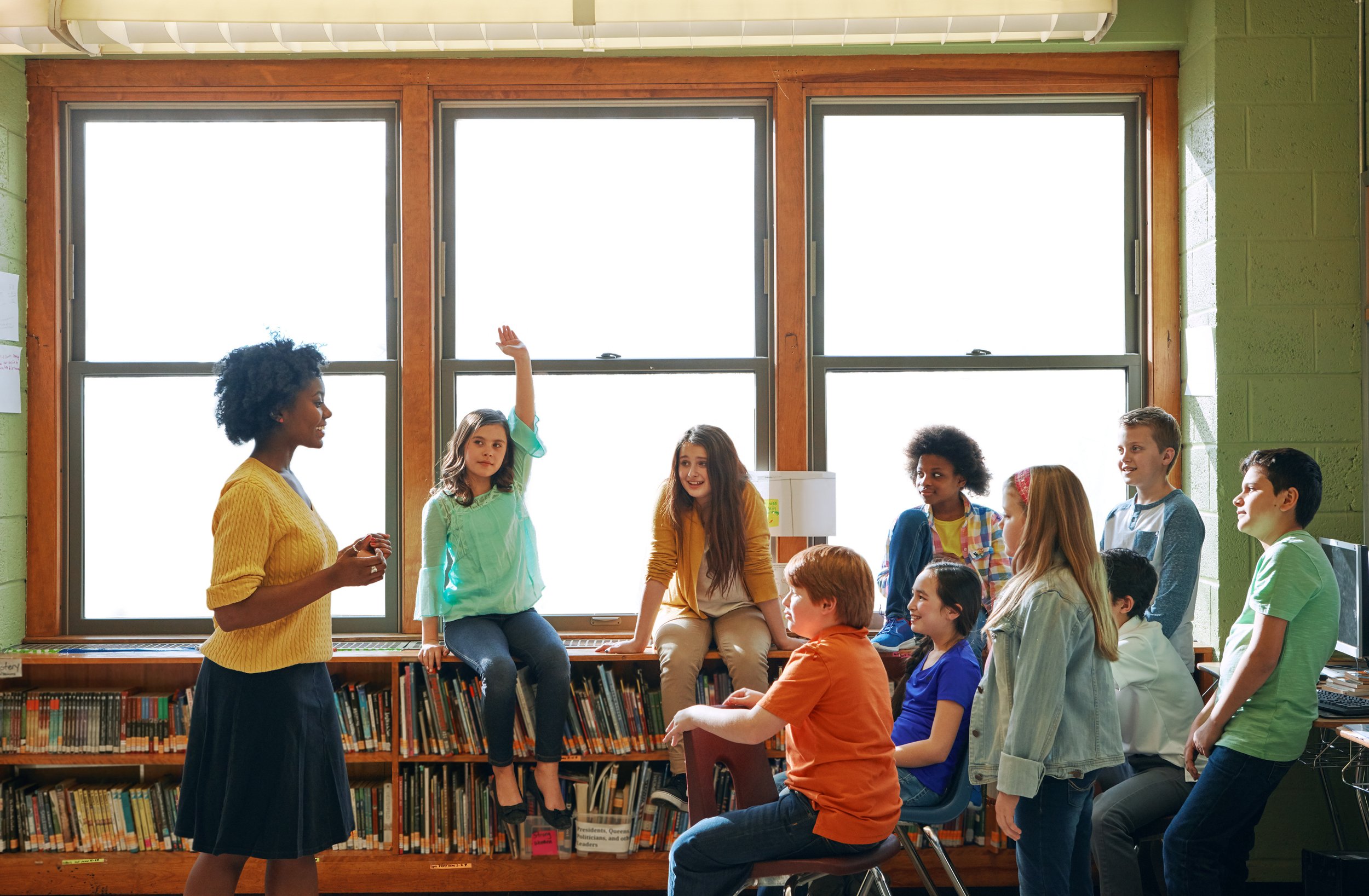
Lesson Plans for Every Classroom
Bystander to Action
When young people are targeted by bias or bullying–whether it’s at school, in social situations, or online–there are often bystanders. There may be one bystander, a few, or many bystanders. Among other reasons, oftentimes the “bystander effect” takes hold and no one says or does anything when witnessing bias or bullying. In this lesson, students will learn about the bystander effect, reflect on their own experiences with bystanding, and examine bystander scenarios in order to explore possible actions.

Indigenous Peoples’ Day
Indigenous Peoples’ Day was first proposed by Indigenous people at a 1977 United Nations conference. Their goal in proposing this day was to prevent bias and discrimination against Indigenous people and also to counter the inaccurate story that Christopher Columbus “discovered” the Americas. Many states, by law and proclamation, officially celebrate Indigenous Peoples’ Day. And yet, many people don’t know much about the history, cultures, heritages and traditions of Indigenous peoples. This lesson plan provides an opportunity for students to learn what Indigenous Peoples’ Day is, understand the holiday’s history and explore various aspects of Indigenous people.

Colorism in the Entertainment Industry and Beyond
Colorism is a system of bias that privileges people with lighter skin and marginalizes people with darker skin. Colorism, closely related to racism, affects people in all walks of life including the entertainment industry, media, education, workplaces, the criminal justice system and other industries and institutions. This lesson provides an opportunity for students to understand what colorism is, explore its impact on individuals and society and suggest ways–by writing a persuasive letter or essay–to address and challenge colorism.